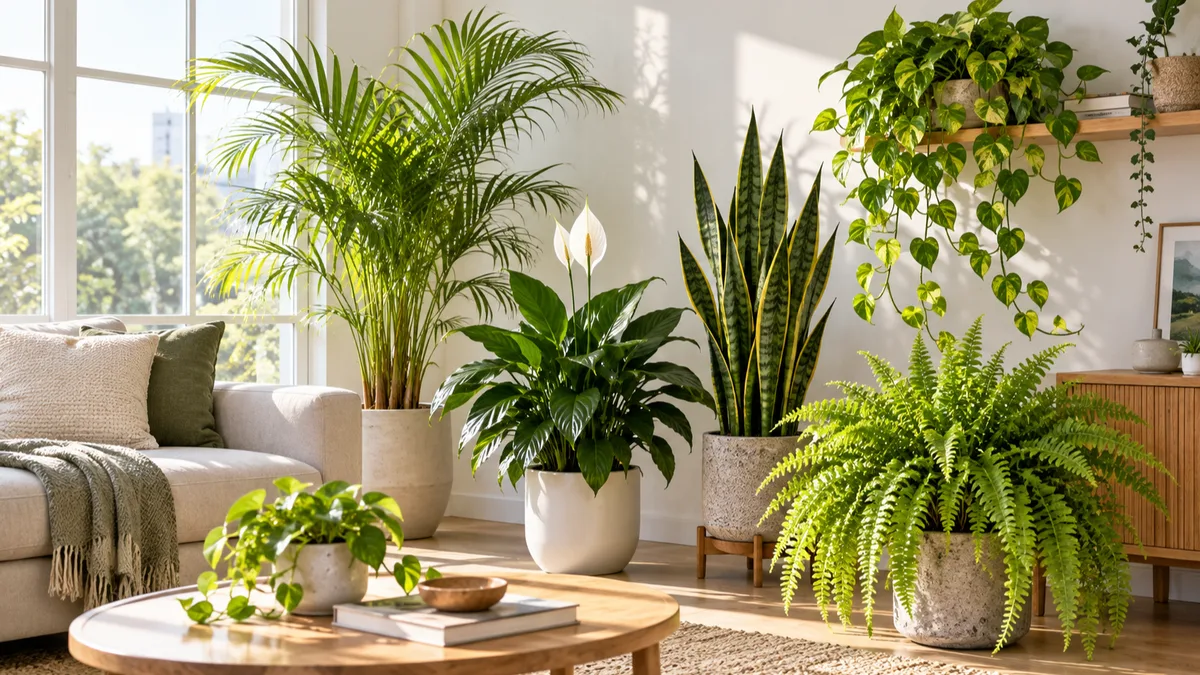
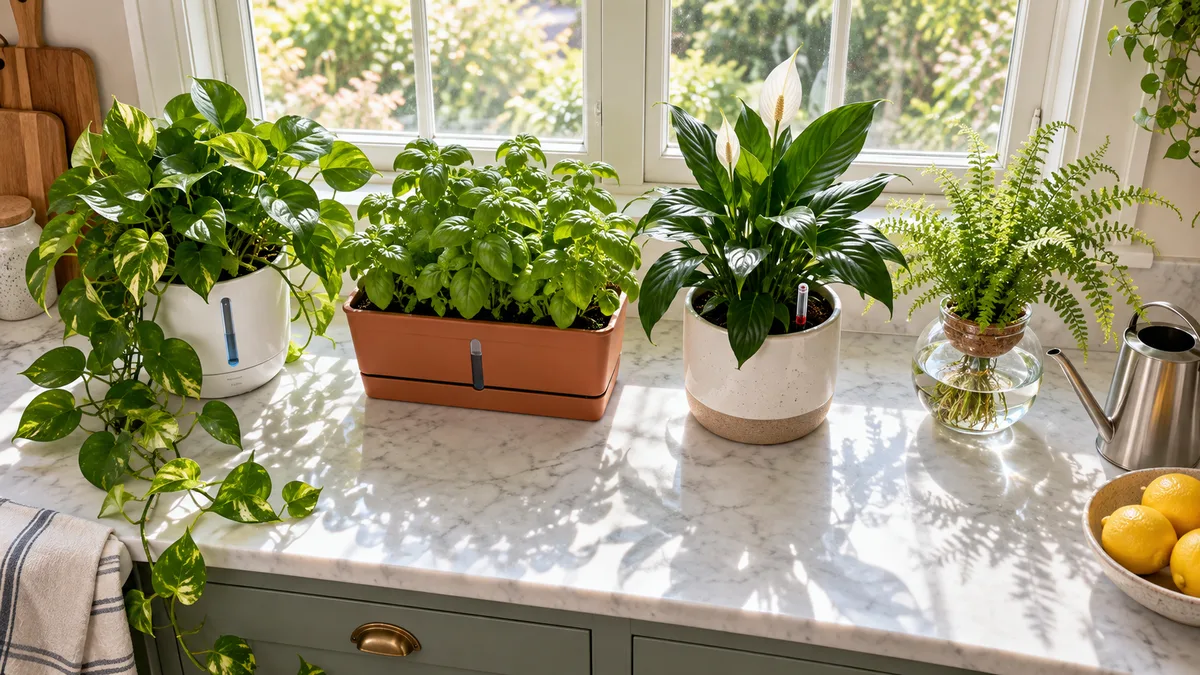
Most popular houseplants are toxic to pets. Pothos, snake plant, monstera, peace lily — the entire beginner starter pack sits on the ASPCA danger list.
Dozens of beautiful alternatives exist, and a smart placement strategy lets you keep plants and pets in the same home safely.
This guide covers what "pet safe" actually means, which plants work for different pet scenarios, and what to do if something goes wrong.
From toxicity mechanics and grouped plant picks to emergency response and a toxic-to-safe swap chart for every room.
- 1 Why "pet safe" differs from "cat safe"
- 2 How plant toxicity works in pets
- 3 Floor plants for homes with dogs
- 4 Trailing and hanging plants out of reach
- 5 Colorful pet safe alternatives
- 6 Toxic plants hiding in your home
- 7 How to pet-proof your plant setup
- 8 What to do if your pet eats a plant
- 9 Toxic-to-safe swap chart
- 10 Pet safe home room by room
Why "pet safe" is not the same as "cat safe"
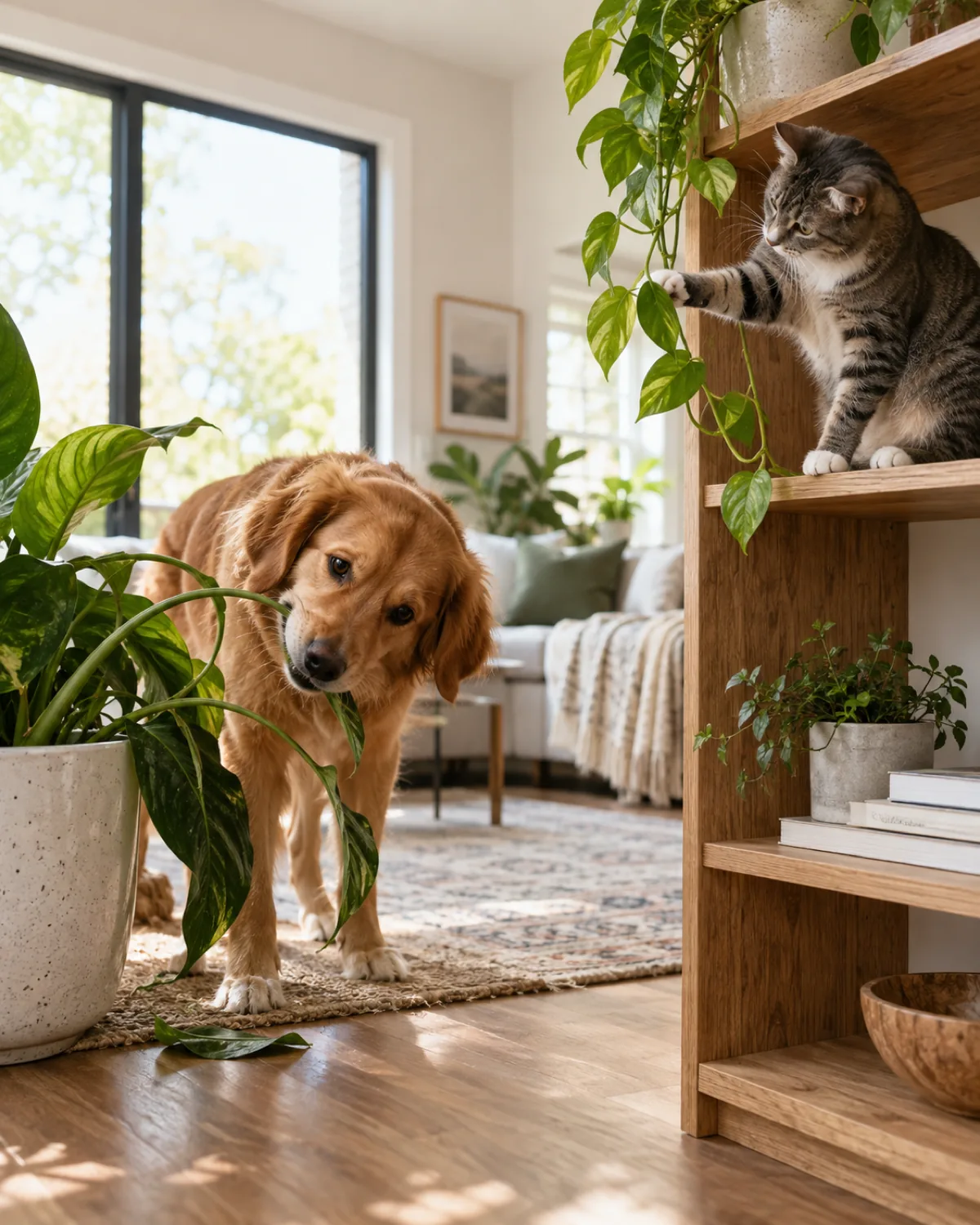
The phrase "pet safe" gets treated as a synonym for "cat safe" on most plant blogs. It is not. Dogs and cats interact with houseplants in fundamentally different ways, and those differences change the risk equation.
Cats nibble leaf tips. Their small mouths take tiny bites, and most cats stop after tasting something bitter. Dogs chew entire stems, shred leaves, and sometimes dig up the root ball and eat the soil. A plant that sits safely on a shelf above a cat's reach is at nose level for a Labrador.
Body size compounds the difference. A 4-pound cat needs far less plant material to reach a toxic dose than a 70-pound dog. But a dog's tendency to eat larger quantities in one go means a "mildly toxic" plant that would cause minor drooling in a cat can cause serious gastrointestinal distress in a dog that swallowed an entire leaf cluster.
Key behavioral differences that matter for plant safety:
- Cats — jump to shelves, bat at trailing vines, nibble tips; usually stop after one taste; attracted to grass-like textures
- Dogs — chew at floor level, dig in soil, knock over pots with tails and paws; may eat large quantities before stopping; attracted to sticks and stems
- Puppies — the highest risk group; they chew everything during teething and have no learned avoidance
The ASPCA maintains separate toxicity databases for dogs and cats because the same compound can affect each species differently. A plant listed as "non-toxic to cats" is not automatically safe for dogs. Always check both databases if you have multiple pet species.
For cat-specific picks with feline behavior notes, see our plants safe for cats guide. This article covers the broader multi-pet household.
How plant toxicity actually works in pets
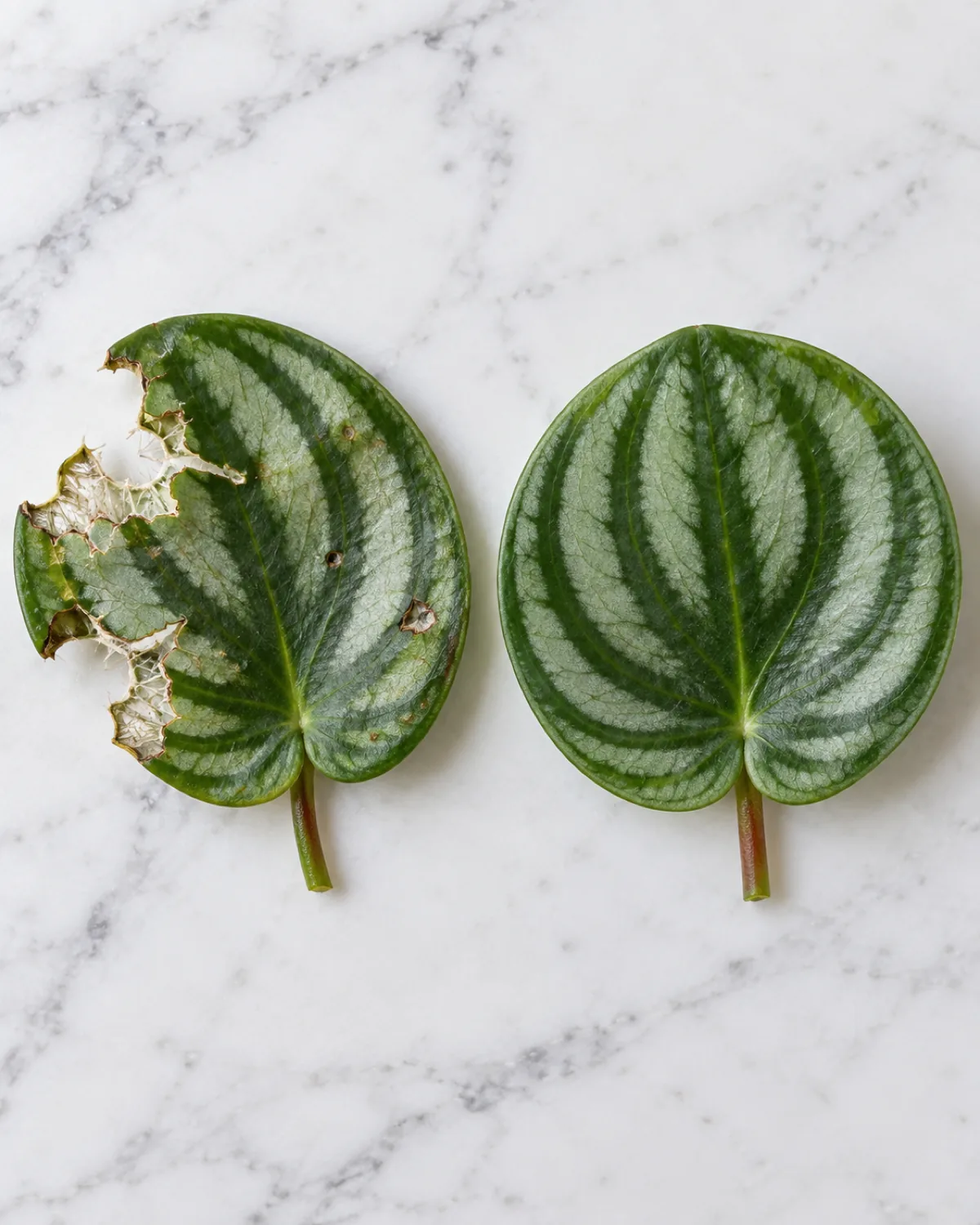
Not all plant toxins work the same way. Understanding the mechanism tells you how much time you have and how serious the situation is.
Calcium oxalate crystals cause immediate mouth pain that usually stops a pet from eating more. Cardiac glycosides cause no pain at all, so the pet keeps eating until the dose reaches the organs.
The four main toxicity mechanisms in houseplants:
- Insoluble calcium oxalates — the most common; found in pothos, philodendron, dieffenbachia, and monstera; microscopic needle crystals cause immediate oral irritation; rarely life-threatening because the pain stops the pet from eating more
- Soluble oxalates — found in rhubarb and shamrock plant; absorbed into the bloodstream and can cause kidney damage at high doses; more dangerous than insoluble because there is no immediate mouth pain to stop ingestion
- Saponins — found in snake plants and aloe vera; cause nausea, vomiting, and diarrhea; moderate severity; usually self-resolving but unpleasant
- Cycasin — found in sago palm; extremely toxic; causes liver failure even in small amounts; sago palm is one of the most dangerous common houseplants for dogs
The label "mildly toxic" on many plant care websites is misleading. It usually refers to insoluble oxalate plants — the ones that cause oral pain and drooling. For a healthy adult cat, a nibble on a pothos leaf is uncomfortable but not an emergency. For a puppy that chewed and swallowed the whole vine, it becomes a veterinary visit.
Pet safe plants that thrive on the floor where dogs roam
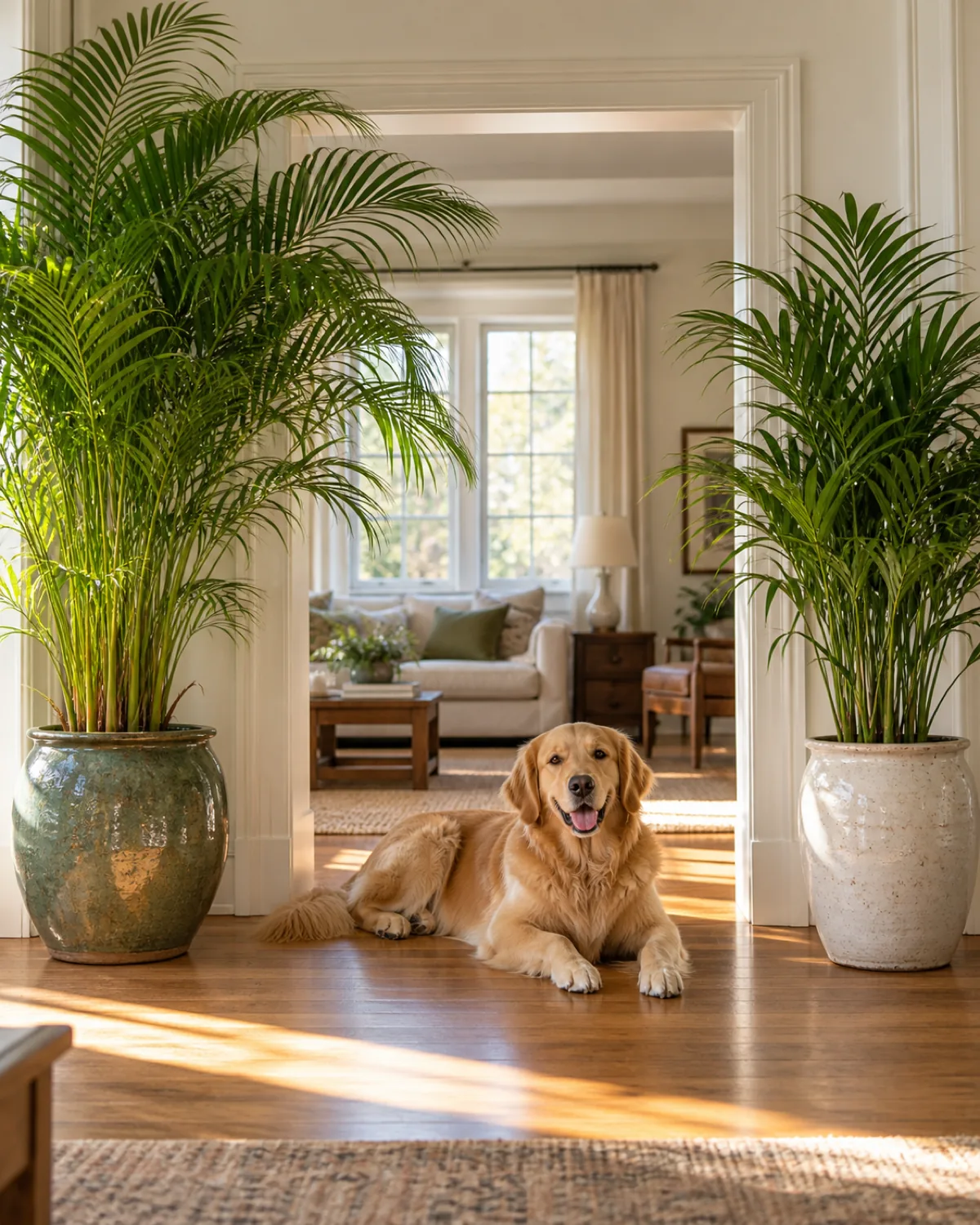
Dogs live at floor level. The first plants they encounter are the big floor specimens, and those are the ones that need to be safe.
The ideal dog-friendly floor plant is non-toxic, has sturdy stems that survive tail whips, sits in a heavy pot that resists being knocked over, and tolerates the occasional bumped leaf.
Top pet safe floor plants:
- Areca palm — ASPCA-confirmed non-toxic to both dogs and cats; grows 4–6 feet indoors; feathery fronds add tropical drama; heavy ceramic pot keeps it stable against dog traffic
- Parlor palm — non-toxic; tolerates lower light than areca palm; compact enough for corners but can reach 3–4 feet; fine-textured fronds that dogs tend to ignore
- Money tree — non-toxic; braided trunk adds visual interest; woody stem structure withstands bumps; does well in bright indirect to medium light
- Cast iron plant (Aspidistra elatior) — non-toxic; nearly indestructible; tolerates low light, neglect, and physical damage; the dark glossy leaves hold up to being brushed against by large dogs
Pot weight matters more than plant choice for dog households. A lightweight plastic nursery pot on the floor is an invitation for a Labrador tail to send it flying. Use heavy ceramic or concrete pots for any floor-level plant, and place saucers under each to prevent water damage when the pot inevitably gets nudged.
If your dog is a digger, cover the soil surface with decorative river rocks heavy enough that the dog cannot pick them up. This solves both the digging problem and the risk of the dog eating potting mix.
Pet safe trailing and hanging plants dogs cannot reach
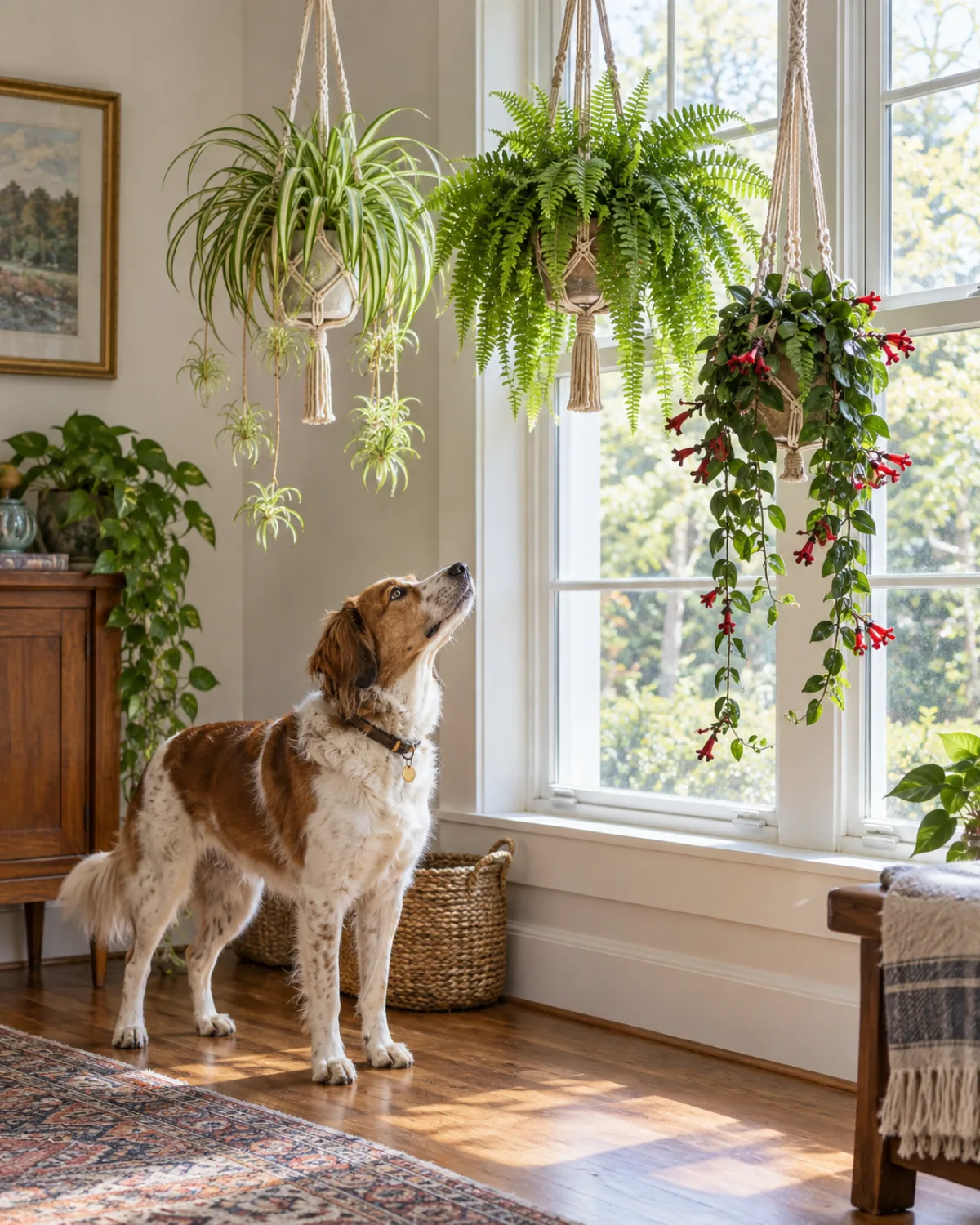
Elevation is a built-in safety layer. A plant hanging from the ceiling or sitting on a high shelf is physically out of reach for most dogs — and many cats.
Trailing and hanging plants add vertical interest to a room while staying away from curious paws. The best ones for pet households are non-toxic even if a vine drops low enough for a pet to reach.
Pet safe trailing and hanging picks:
- Spider plant — ASPCA non-toxic to dogs and cats; the dangling plantlets are irresistible to cats but cause no harm if batted or chewed; one of the most forgiving hanging plants for any light level
- Boston fern — non-toxic; lush arching fronds create a dramatic cascade from a hanging basket; thrives in humidity, making it a natural for bathrooms and kitchens
- Lipstick plant — non-toxic; produces vivid red tubular flowers among waxy trailing vines; hoya-like care requirements; the waxy leaves taste bitter enough that most pets ignore them entirely
- Staghorn fern — non-toxic; mounted on wood rather than potted, keeping it completely off the floor and out of pet reach; a living sculpture that doubles as pet-proofing
Macramé hangers and ceiling hooks let you place plants at any height. For homes with athletic cats that climb everything, mount plants high enough that even a top-shelf cat cannot reach the trailing vines. A good rule: the lowest leaf should be at least 4 feet off the ground.
Wall-mounted shelves with brackets add another tier. Floating shelves at eye height hold small trailing plants in a row — visual impact without any floor-level risk.
Pet safe plants with color for homes that miss their pothos
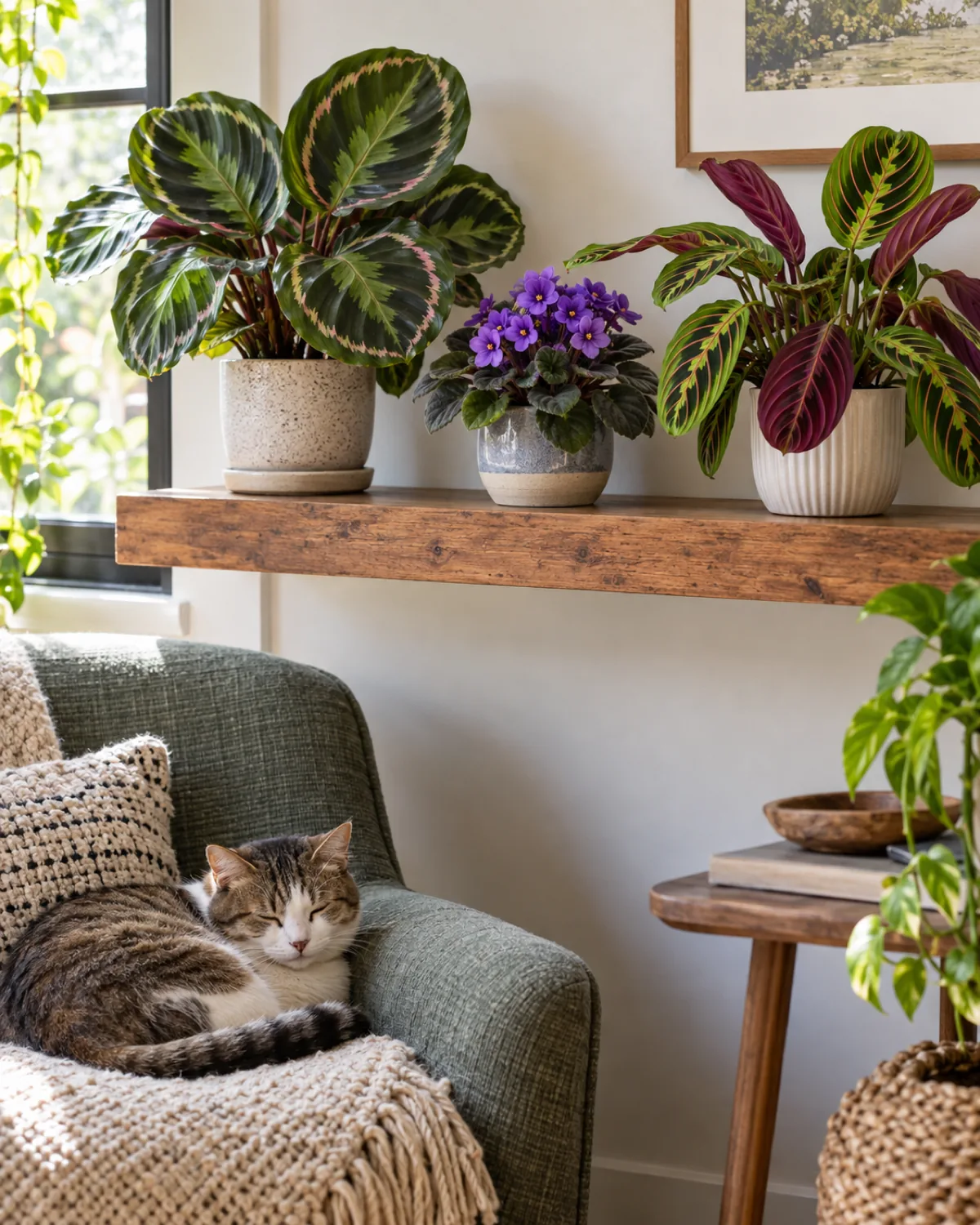
The most common complaint from pet owners who remove their toxic plants: "Everything safe is boring and green." That is simply not true.
The variegated drama of pothos and the patterned leaves of philodendron have non-toxic counterparts that deliver equal or greater visual impact. You do not have to sacrifice color for safety.
Colorful pet safe alternatives:
- Calathea — ASPCA non-toxic; the medallion variety has bold green-and-cream patterning on top and deep purple undersides; calathea care requires humidity and consistent moisture, but the leaf patterns rival any pothos variety
- African violet (Saintpaulia) — non-toxic; one of the few pet safe houseplants that flowers reliably indoors year-round; available in purple, pink, white, and bicolor; compact enough for windowsills and desks
- Prayer plant — non-toxic to dogs and cats; herringbone patterns in green, red, and cream; the leaves fold up at night (nyctinasty), adding living movement to any shelf display
- Polka dot plant (Hypoestes phyllostachya) — non-toxic; splashed in pink, red, or white against green; compact and bushy; works as a desktop or shelf accent
These plants replace the visual function of their toxic counterparts without compromise. A calathea medallion on a mid-century stand delivers the same "statement plant" energy as a pothos on the same stand — with zero toxicity risk.
The key to making pet safe plants feel exciting rather than limiting: group them. Three or four colorful non-toxic plants arranged together create a display that no single plant could match, and the variety of leaf shapes and patterns makes a stronger visual statement than one large toxic specimen ever did.
The most common toxic houseplants hiding in pet homes
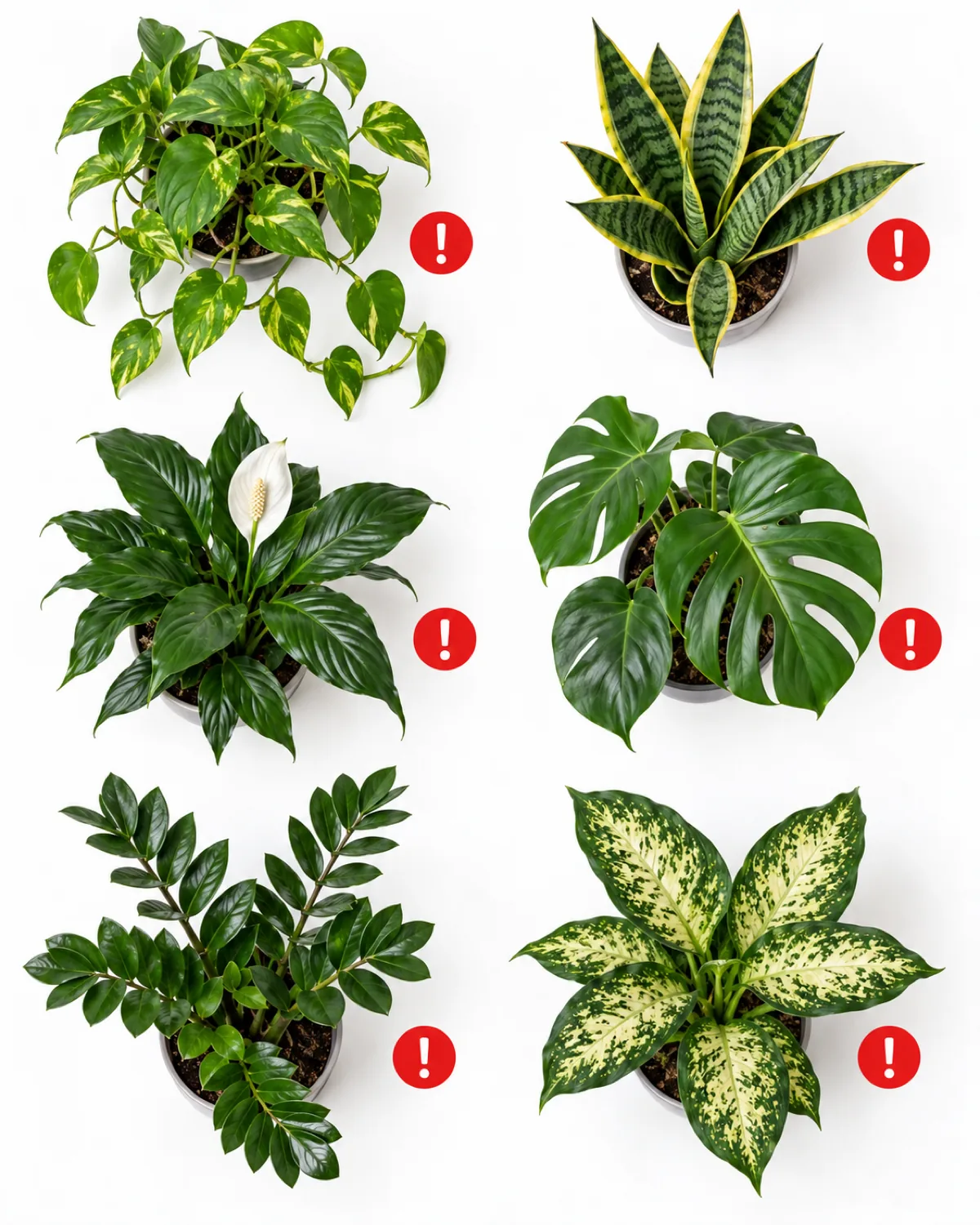
These plants show up in almost every "best houseplants for beginners" list. They are popular because they are nearly impossible to kill. They are also toxic to both dogs and cats.
Quick Reference
10 toxic houseplants to remove or relocate
- 1Pothos — insoluble calcium oxalatesCauses oral irritation, drooling, and vomiting. One of the most common houseplants in the world and one of the most common causes of pet plant poisoning calls.
- 2Snake plant — saponinsCauses nausea, vomiting, and diarrhea. Usually self-resolving but unpleasant. Dogs are more likely to chew the tall sword-shaped leaves than cats.
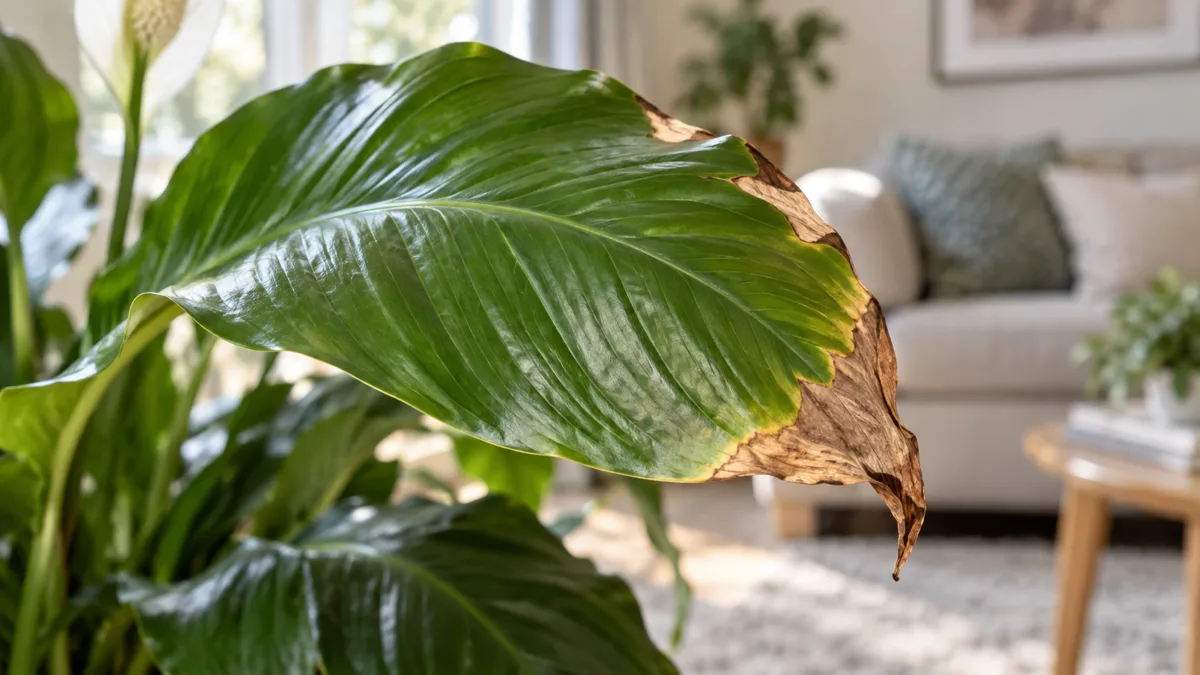
- 3Peace lily — insoluble calcium oxalatesDespite its gentle name, causes oral swelling and difficulty swallowing. The white spathe attracts attention. Not a true lily — true lilies are far more dangerous to cats.
- 4Monstera — insoluble calcium oxalatesThe trendy Swiss cheese plant. Large leaves at floor level make it accessible to dogs. Causes intense oral burning and drooling.
- 5ZZ plant — calcium oxalate crystalsAll parts are toxic. The glossy leaves look appealing. Often placed on the floor in low-light areas where dogs rest.
- 6Dieffenbachia — insoluble calcium oxalatesCalled "dumb cane" because the crystals can temporarily paralyze the tongue. Severe oral swelling. Large floor plant that dogs encounter easily.
- 7Philodendron — insoluble calcium oxalatesAll philodendron species are toxic. Trailing varieties dangle at pet level. Causes drooling, oral pain, and vomiting.
- 8Sago palm — cycasinThe most dangerous plant on this list. All parts are toxic, especially the seeds. Causes liver failure even in small doses. Mortality rate in dogs who ingest sago palm is roughly 50 percent.
- 9Aloe vera — saponins and anthraquinonesThe gel is used in human products but the latex layer and rind are toxic to pets. Causes vomiting, diarrhea, and lethargy.
- 10Jade plant — unknown toxic compoundThe exact toxin is not identified but causes vomiting, depression, and incoordination in dogs and cats. Often placed on low tables within reach.
kultivy.com
You do not necessarily need to get rid of every toxic plant you own. The risk equation depends on your pet's behavior. A cat that has never shown interest in plants poses lower risk than a puppy that chews everything.
Options for keeping toxic plants in a pet household:
- Move them to a room the pet cannot access (home office with a closed door, bathroom shelf above pet height)
- Elevate them on high shelves or wall-mounted planters that pets cannot reach
- Replace floor-level toxic plants with safe alternatives and keep toxic ones elevated only
The one exception: sago palm. If you have a dog, remove sago palm entirely. The toxicity is severe enough and the mortality rate high enough that no placement strategy provides adequate safety.
How to pet-proof your plant setup
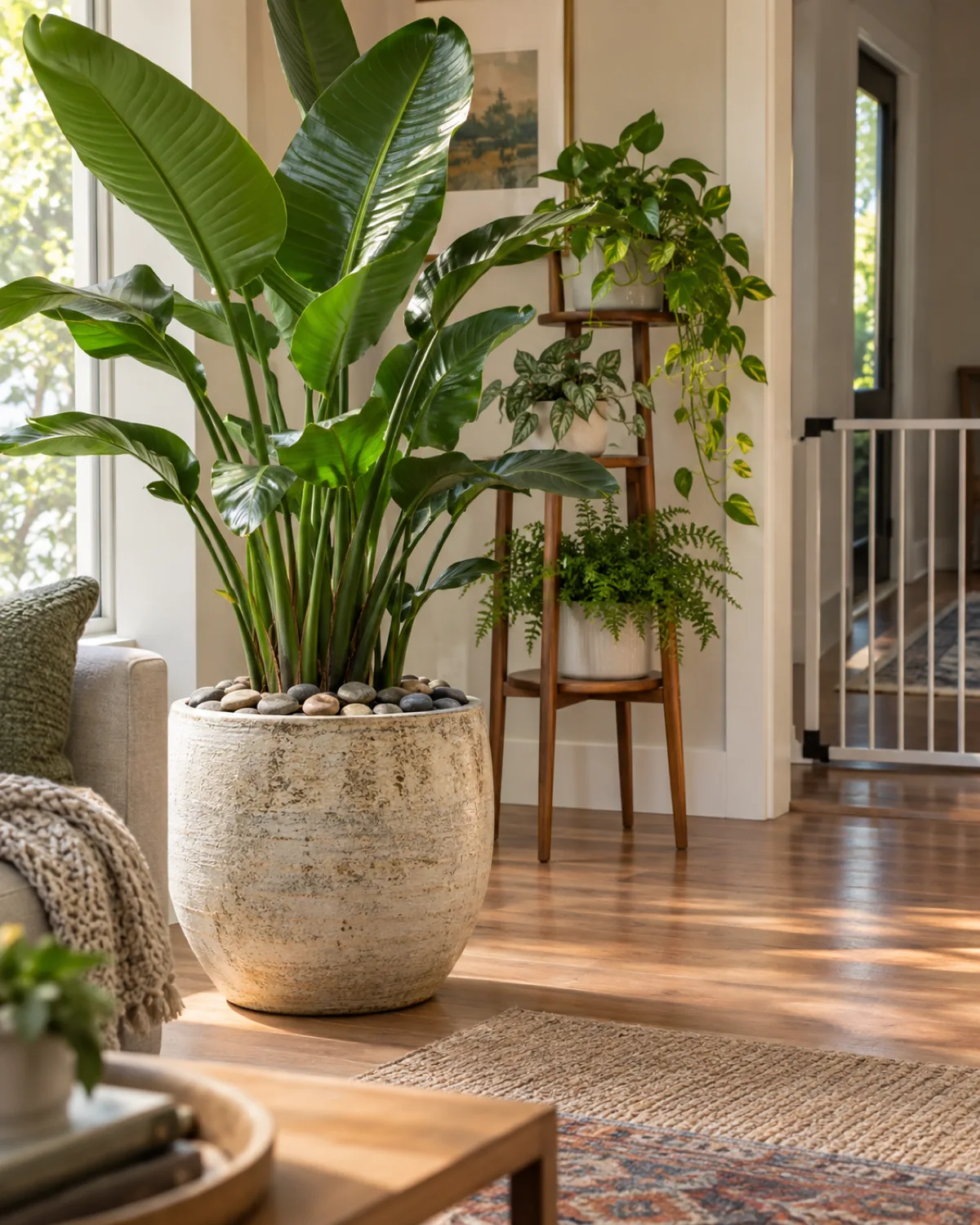
Even with non-toxic plants, you want to prevent your pets from destroying your collection. Pet-proofing protects both the animal and the plant.
Physical barriers and deterrents that work:
- Heavy ceramic or concrete pots — dogs cannot knock them over; the weight itself is the deterrent
- River rocks or decorative stones on the soil surface — prevents digging; rocks should be large enough that a dog cannot pick them up and swallow them
- Elevated plant stands — mid-century modern stands raise plants 12–24 inches off the floor; enough to clear most small dogs and discourage larger ones
- Baby gates — dedicate one room or corner to plants and gate it off; this is the most reliable method for puppies during the chewing phase
- Bitter apple spray — safe, non-toxic deterrent sprayed on leaves and pot rims; most dogs dislike the taste; less effective on cats
- Pinecones in the soil — the texture deters cats from using the pot as a litter box and dogs from digging
Training matters as much as physical deterrents. Dogs can learn "leave it" with consistent training, and this command extends to plants. Start training before bringing new plants into the home, not after the first pot gets destroyed.
Room zoning is the most effective long-term strategy. Designate one area — a bright window corner, a bathroom shelf, a dedicated plant room — as the plant zone. Keep that zone physically separated from pet traffic patterns. This lets you maintain a collection of any size without constant vigilance.
For homes with both cats and dogs, remember that cats defeat most elevation strategies. A wall-mounted shelf that stops a dog cold is a climbing challenge a cat will win. Cat-proofing requires either plants that are genuinely non-toxic or rooms the cat cannot enter.
What to do when your pet eats a houseplant

Stay calm. Panic does not help your pet, and clear-headed action in the first few minutes makes the difference between a quick recovery and a complicated emergency.
Follow these steps in order. Speed matters for some toxins, but accuracy matters more.
Symptoms to watch for by timeline:
- Immediate (within minutes) — drooling, pawing at the mouth, oral swelling; these usually indicate insoluble calcium oxalate plants and are self-limiting
- Within 1–4 hours — vomiting, diarrhea, loss of appetite; common with saponin-containing plants like snake plant and aloe
- Delayed (6–24 hours) — lethargy, weakness, changes in urination, disorientation; these are the dangerous signs that suggest organ involvement; sago palm and cardiac glycoside plants show delayed symptoms
When to go to the emergency vet immediately without calling first:
- Seizures or tremors
- Difficulty breathing or rapid breathing
- Collapse or inability to stand
- Your pet ate sago palm in any amount
- Repeated vomiting that will not stop
Most houseplant poisoning cases involve insoluble oxalate plants and resolve within 24 hours with supportive care. But you cannot determine severity by looking at the pet — always call the poison hotline or your vet even if the pet seems fine, because some toxins are delayed.
Swapping toxic favorites for pet safe lookalikes
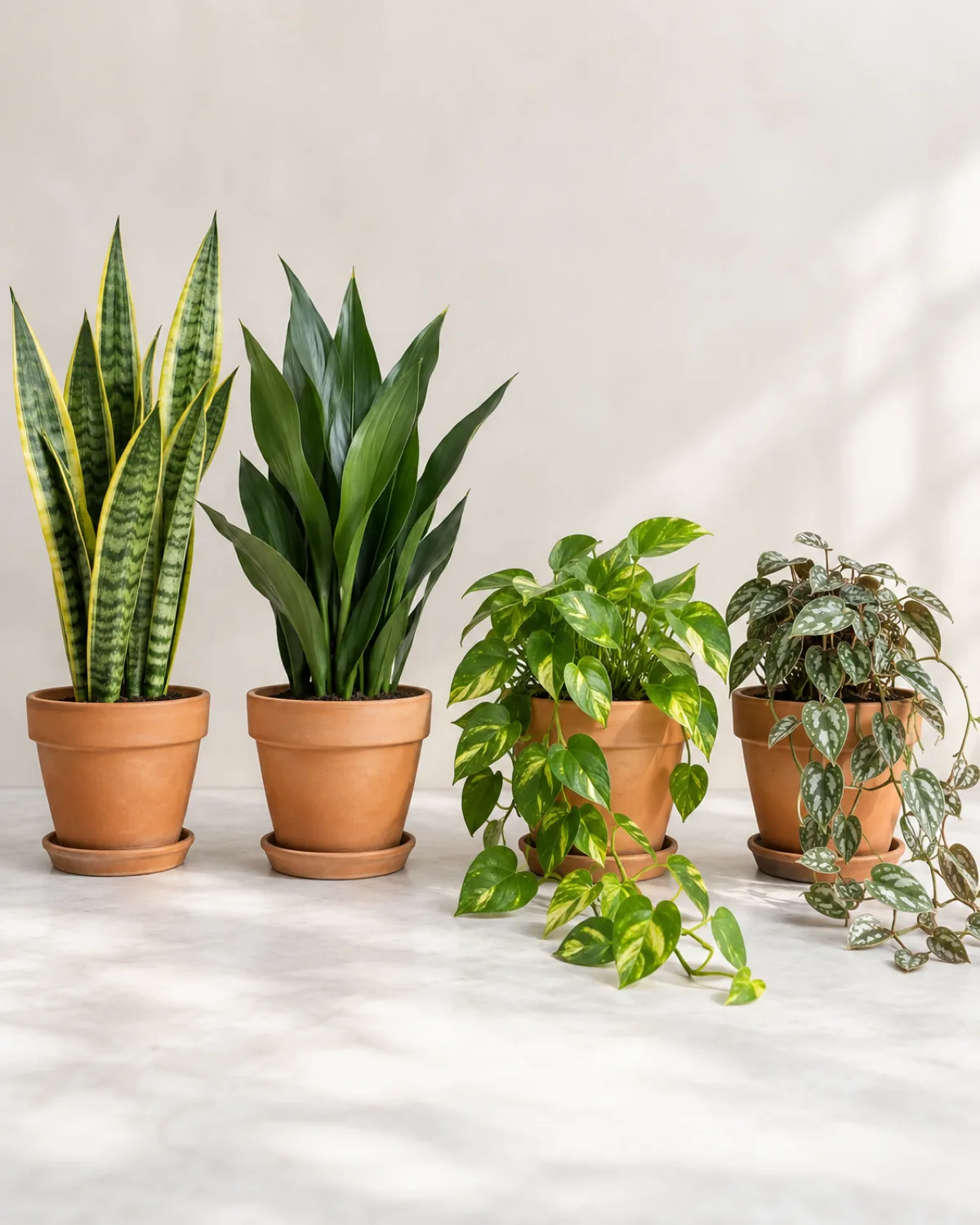
You do not have to sacrifice your aesthetic. Every popular toxic houseplant has a non-toxic counterpart that fills the same visual role.
Each swap maintains the same visual role — shape, placement, and care difficulty — while eliminating the toxicity risk.
The swap approach works better than starting from scratch because it preserves your existing plant placement logic. If you had a snake plant on the floor by the bookshelf, put a cast iron plant in the same spot. If you had pothos trailing from a shelf, run hoya or spider plant along the same path.
Some swaps require minor care adjustments. Bird's nest fern needs more humidity than monstera. Peperomia is more drought-tolerant than philodendron. But the placement, pot size, and visual role remain the same — and that is what matters for maintaining the look of your home.
Building a fully pet safe home room by room
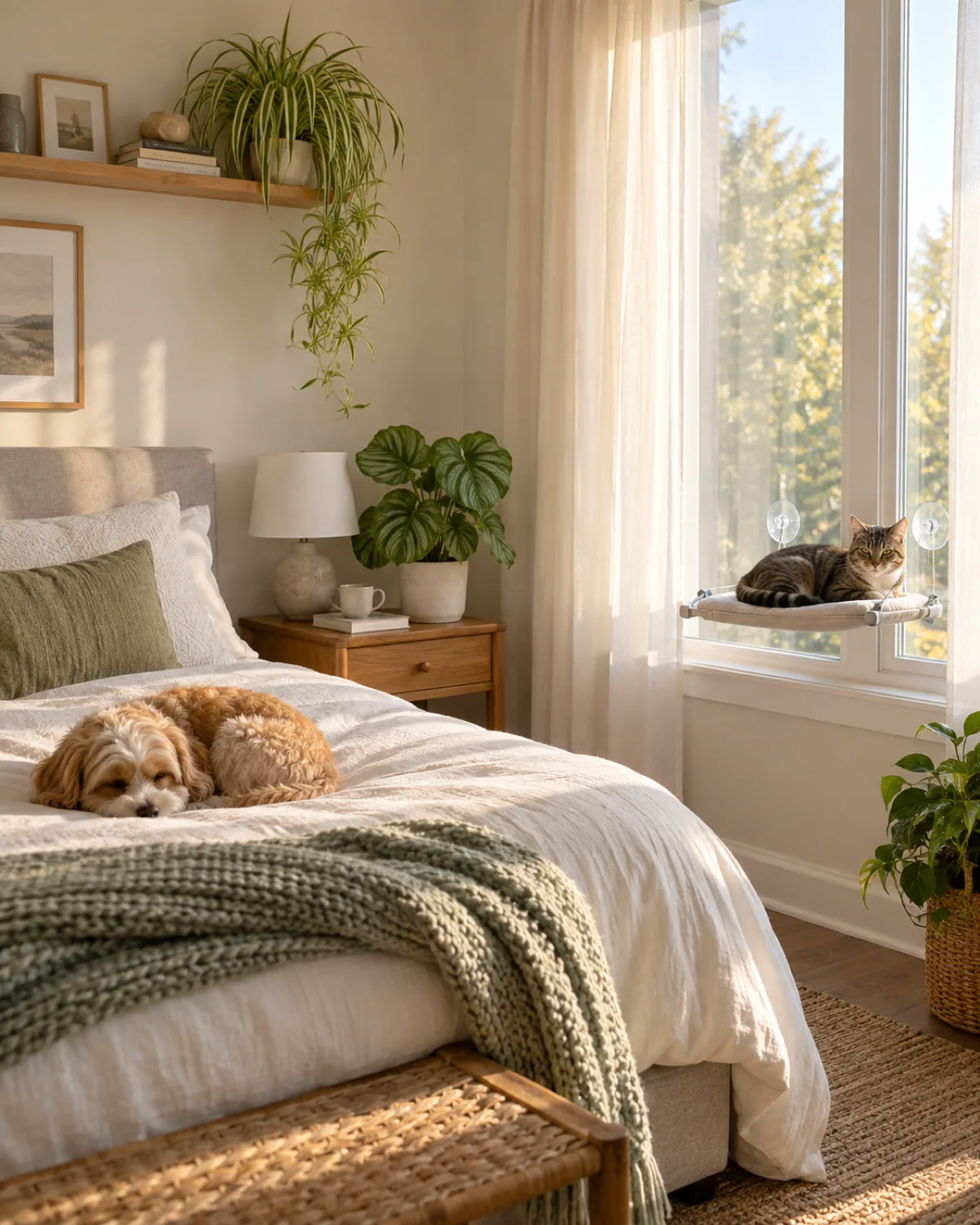
The most sustainable approach to a pet safe plant home is not a one-day overhaul. It is a room-by-room transition where you replace toxic plants with safe alternatives as you go, starting with the rooms where your pets spend the most time.
Bedroom — where pets sleep and spend unsupervised hours. Priority zone for safety.
- Nightstand: calathea orbifolia (bold patterned leaves, non-toxic)
- High shelf: spider plant (trailing runners out of reach)
- Window: African violet (compact, colorful, non-toxic)
- Remove: any pothos, snake plant, or peace lily from bedside tables
Living room — the highest-traffic room for both pets and plants.
- Floor anchor: areca palm in a heavy ceramic pot (tropical drama, non-toxic)
- Side table: prayer plant (folding leaves, non-toxic)
- Hanging: Boston fern near the window (elevated and lush)
- Shelf display: pilea peperomioides and peperomia cluster (compact, non-toxic, interesting shapes)
Kitchen — where dogs beg and cats jump on counters.
- Windowsill herbs: basil, thyme, rosemary (all non-toxic to dogs and cats; bonus: you cook with them)
- Counter: air plant display (no soil for dogs to dig, non-toxic)
- High shelf: lipstick plant trailing (out of counter-jumping cat range)
Bathroom — humidity-loving plants thrive here and pets visit less.
- Shelf above toilet: Boston fern (humidity-loving, non-toxic, elevated)
- Window: air plant mounted on driftwood (no soil, no pot, no risk)
- Counter: small calathea or peperomia (compact, humidity-happy, non-toxic)
The transition does not need to happen overnight. Start with the bedroom — the room where pets spend unsupervised time. Then move to the living room. Kitchen and bathroom come last because pets spend less time there and those rooms are easier to gate or close off.
As you repot toxic plants out of pet-accessible rooms, you can rehome them to a friend without pets, move them to your office, or donate them to a plant shop. No plant needs to go to waste.
Frequently Asked Questions
- Are succulents safe for pets? — It depends on the species. Many popular succulents like echeveria and haworthia are non-toxic to dogs and cats. However, aloe vera is mildly toxic (saponins cause GI upset), jade plant causes vomiting and depression, and string of pearls is toxic if ingested. Always verify each species individually on the ASPCA database rather than assuming all succulents are safe.
- Can dogs be allergic to non-toxic plants? — Yes. A plant being non-toxic does not mean it cannot cause an allergic reaction. Some dogs develop contact dermatitis from handling certain plant materials, and pollen from any flowering plant can trigger sneezing in sensitive dogs. If your dog sneezes, scratches, or develops skin irritation around a specific plant, move the plant out of the dog's environment.
- Is potting soil dangerous for pets that dig? — The soil itself is generally not toxic, but many commercial potting mixes contain perlite, vermiculite, and slow-release fertilizer granules. The fertilizer is the main concern — ingesting concentrated fertilizer causes GI irritation and, in large amounts, more serious issues. Cover soil with river rocks or move digging-prone pots out of reach. If your dog eats a significant amount of potting mix with fertilizer, call your vet.
- How do I know if my pet ate a toxic plant? — Look for chewed or torn leaves, scattered soil, plant pieces on the floor, or plant material in vomit. Common signs of plant poisoning include drooling, pawing at the mouth, vomiting, diarrhea, and lethargy. Some pets show no symptoms for hours (especially with delayed-action toxins). If you see damage to a known toxic plant and your pet had access, call the ASPCA poison hotline even if the pet seems fine.

Mara writes about indoor plants for people who want honest, practical care advice without the fluff. She covers everything from first-time plant parents to collectors chasing rare aroids — always with the science behind why something works. More at kultivy.com.