My first bedroom plant was a peace lily that wilted every Sunday because the room got two hours of light on a good day. Once I moved it to a brighter wall and added a snake plant on the floor, the bedroom finally felt calm instead of crowded.
A good bedroom plant has to handle filtered light, dry winter air, and a person who is asleep when its leaves first start to droop. These thirteen picks all do that, and a few of them happen to smell wonderful at night.
If you want even more low-maintenance picks that handle a forgetful watering schedule, our easy houseplants guide is a good companion to this list.
Bedroom picks really come down to three things: how much light the room gets, whether you want scent or air movement, and how much fuss you are willing to do. Jump to whatever fits your bedroom.
Snake plant

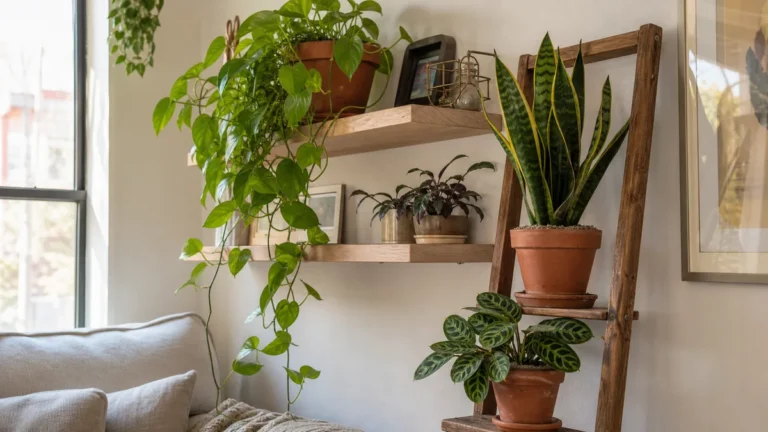
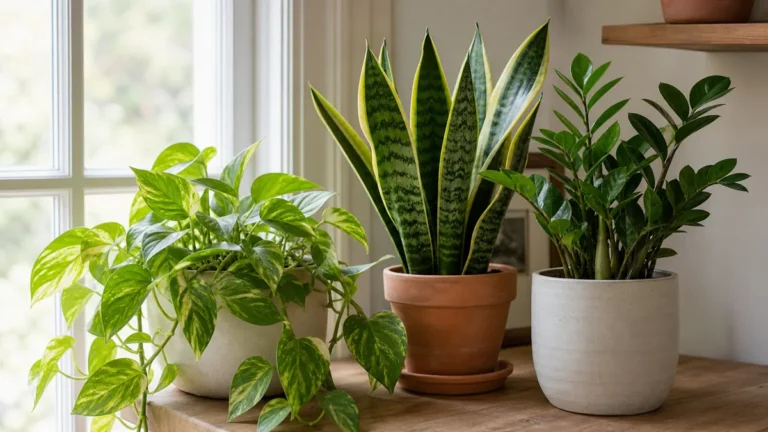
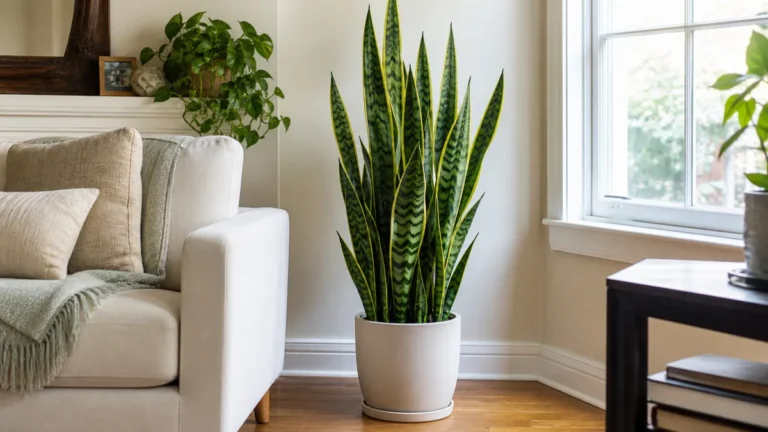
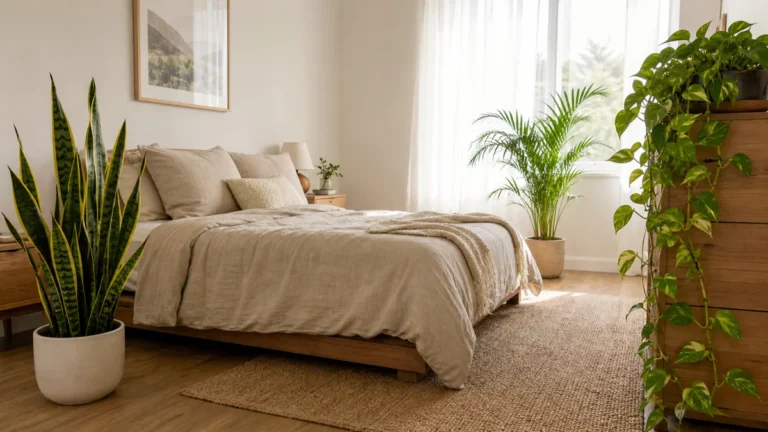
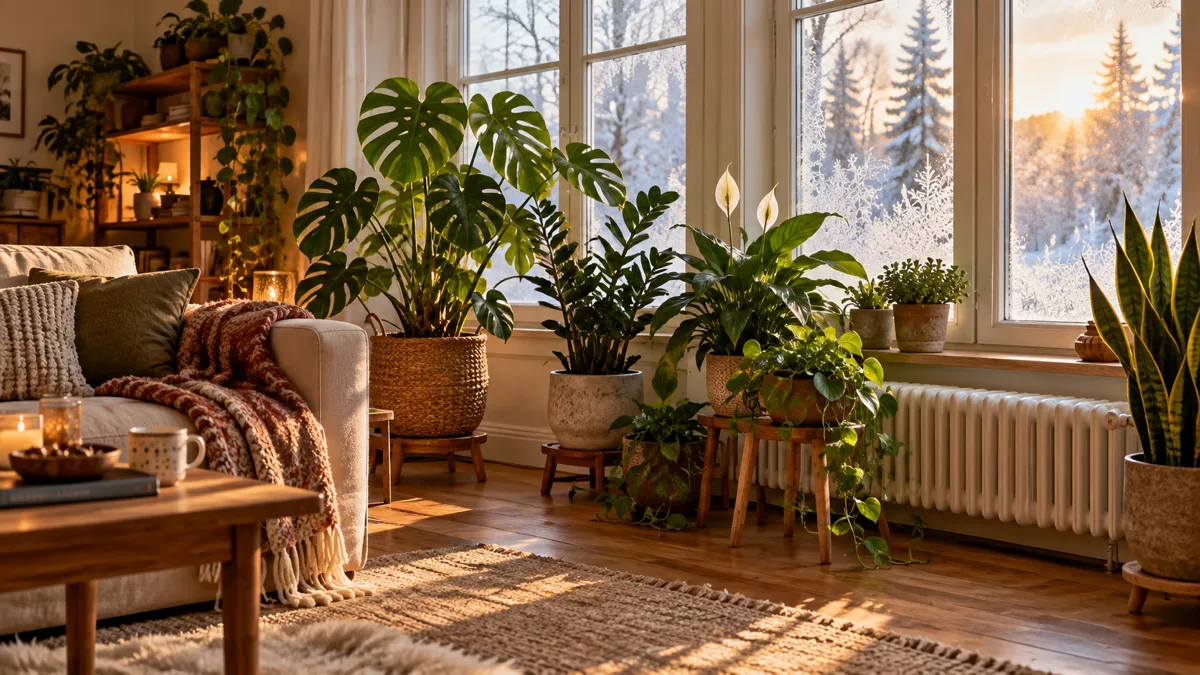
The snake plant is the classic bedroom pick for a reason. It keeps releasing oxygen overnight through a quirk called CAM photosynthesis, which most other houseplants do not. It also handles deep shade and weeks of forgotten watering, and the upright sword leaves stay neat right beside a bed without sprawling.
- Water when the soil is bone dry. Every three or four weeks is plenty; soggy soil rots the rhizome fast.
- Any light works. A bright window grows it faster, but a dim bedroom corner keeps it healthy for years.
- Read our full snake plant care guide. Drooping, root rot, and division are covered in depth.
Pothos

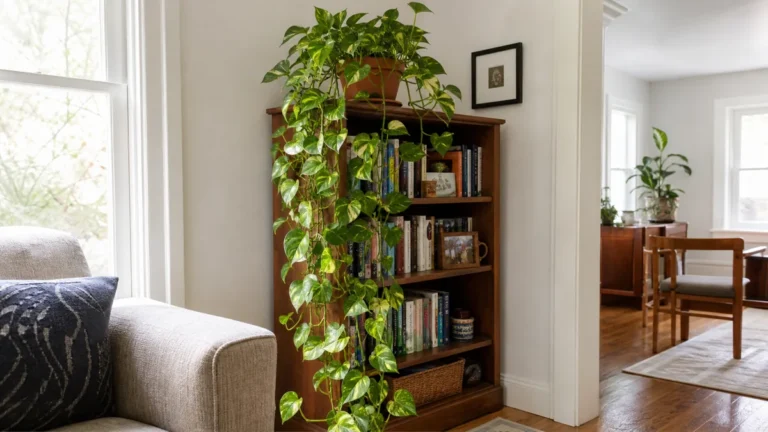
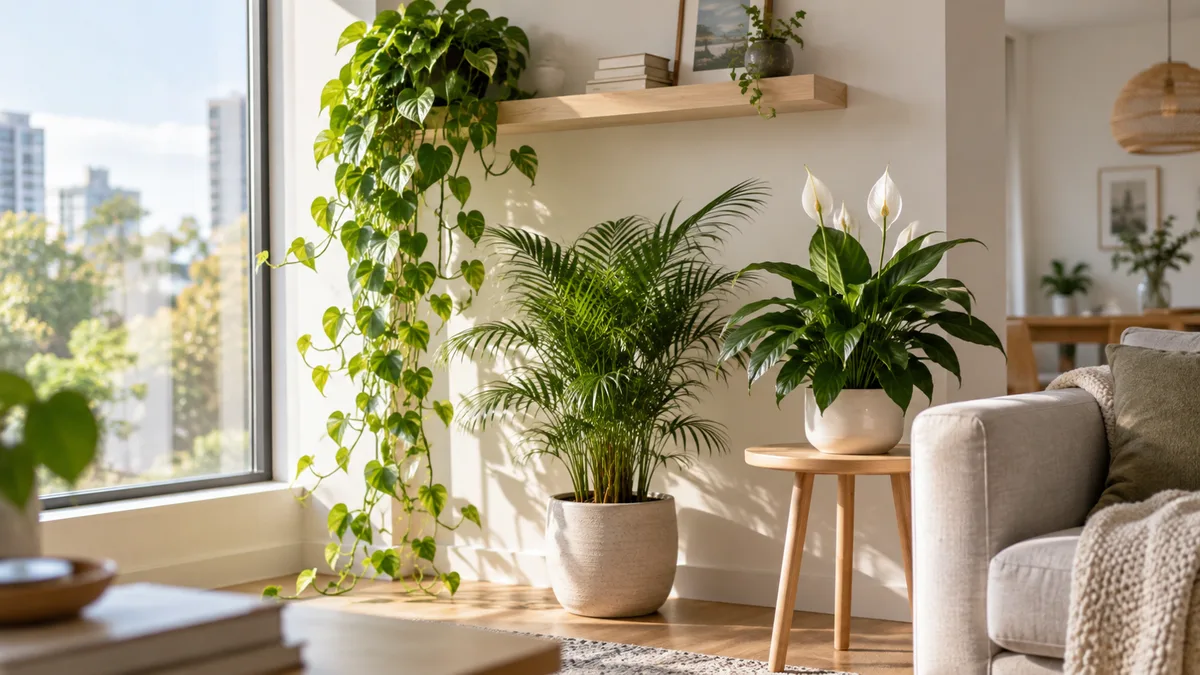
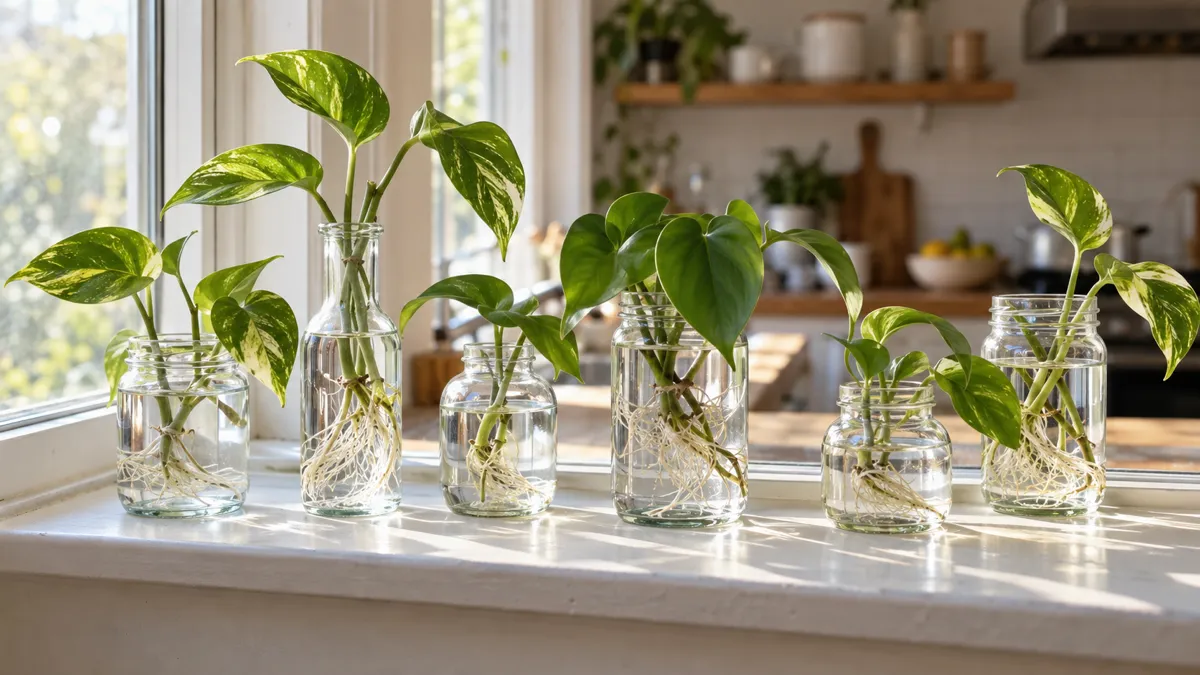
A trailing pothos is the easiest way to soften a hard bedroom corner. Set one on top of a tall dresser or a wall shelf above the headboard and the long heart-shaped vines do the styling work for you. It also tolerates indirect, even dim, bedroom light without sulking.
- Water when the top inch is dry. The leaves droop dramatically when thirsty and rebound the same day.
- Snip leggy runners. Pinching above a node keeps it bushy instead of bare-stemmed.
- See our full pothos care guide for varieties, propagation, and how to make it trail long and full.
ZZ plant

The ZZ plant is what you reach for when a bedroom corner is genuinely dark. The glossy dark-green wands read calm and modern next to a bed, and the bulbous underground rhizomes store enough water that the plant will quietly forgive two or three forgotten waterings in a row.
- Water sparingly. Every two to three weeks works; let the soil dry out completely between drinks.
- Skip the soggy pot. The rhizome rots if it sits in standing water, so use a pot with a drainage hole.
- Wipe the glossy leaves monthly. Dust dulls the shine and slows the plant down more than people expect.
A bedroom is not a greenhouse. The right plants are the ones that match your light, your sleep habits, and how much care you want to do. Pick the bedroom that sounds like yours.
Peace lily

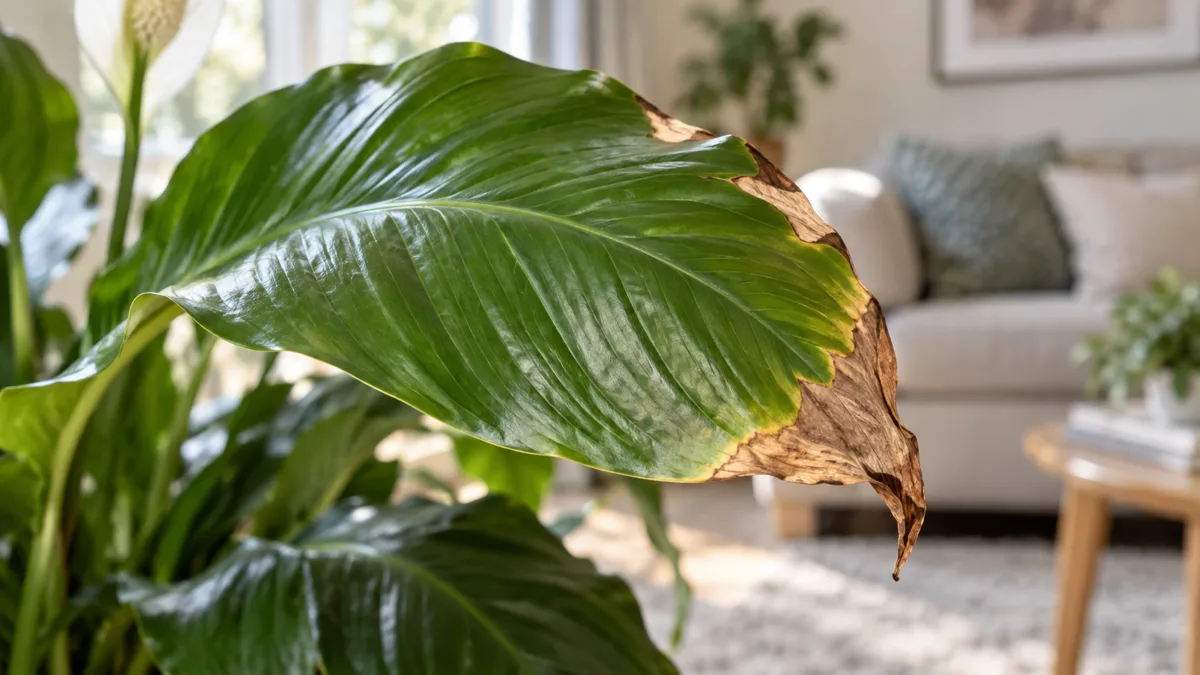
A peace lily is the bedroom plant that tells you when it needs you. The whole plant collapses dramatically when the soil dries out, and it perks back up within hours of a drink. The soft white spathe flowers and arching dark-green leaves read calm in a low-to-medium-light corner.
- Water when the leaves start to flag. A weekly check from a finger or a moisture meter beats a fixed schedule.
- Keep it out of cold drafts. A vent or a leaky window blowing across it browns the leaf tips fast.
- It is mildly toxic to pets. Set it on a tall plant stand or a high shelf if a cat or dog will reach for it.
Potted lavender

Potted lavender on a sunny bedroom sill is one of the few scented picks that genuinely earns its bedroom-plant reputation. The scent has been linked to a calmer mood and easier sleep in small studies, and the silvery foliage and purple flower spikes look as good as they smell. The catch is light: it wants the brightest window you have.
- Give it full direct sun. A south or west window for at least six hours a day keeps it from going woody.
- Use a gritty, fast-draining mix. Cactus mix or houseplant mix cut with sand and grit avoids root rot.
- Let it dry between waterings. Lavender hates a wet pot more than it hates a missed watering.
Areca palm

An areca palm fills a calm bedroom corner the way nothing else does. The feathery arching fronds soften the wall and add a gentle hum of humidity through transpiration, which helps if your bedroom dries out from heating or AC. It wants bright indirect light, so set it a few feet back from a window.
- Keep the soil evenly moist. Never soggy; water when the top inch is dry, then drain it well.
- Mist if the room is dry. Brown frond tips usually mean the air around it is too dry, not that you watered wrong.
- Watch for spider mites. A monthly leaf rinse in the shower keeps them away in dry-air bedrooms.
A bedroom is the toughest room in the house for plants. The light is usually filtered, the air is drier from heating or AC, and you sleep through the early-morning signs that something is off. These four rules are what keep these picks alive in a real bedroom.
Spider plant

A spider plant hanging by a bedroom window earns its keep on three fronts: it forgives a missed watering, it handles medium light, and it sends out little arching baby plantlets you can pot up for free plants. The banded green-and-white leaves read fresh and uncluttered above a bed.
- Water when the top is dry. It tolerates inconsistent watering better than most houseplants on this list.
- Repot when roots fill the pot. White roots packed against the wall mean it is time to step up one size.
- Snip plantlets to share. Root the little spiderettes in water for friends, or pot up to fill out the hanger.
Aloe vera

Aloe vera is the sculptural sun-loving pick for a bright bedroom windowsill. Like the snake plant, it uses CAM photosynthesis and quietly releases some oxygen at night. The thick upright leaves stay neat and small, and a healthy aloe is also handy for minor burns and dry skin.
- Give it the brightest sill you have. Full direct sun keeps the leaves fat and upright instead of pale and floppy.
- Drench then dry. Water deeply every two to three weeks; a parched aloe rebounds far faster than a soggy one.
- Use a terracotta pot. The unglazed clay wicks excess water and makes overwatering much harder.
Boston fern

A Boston fern is the cozy bedroom plant. The soft cascading fronds add a layer of texture nothing else on this list quite matches, and the plant thrives in the cool damp air near a north window or a bathroom-adjacent wall. It does need humidity to look its best, so it is not for dry, sun-baked rooms.
- Keep the soil lightly moist. Daily finger-checks in summer and a weekly check in winter work well.
- Boost humidity if needed. A humidifier, a pebble tray, or a spot beside the bathroom door all help.
- Trim crispy fronds at the base. Cutting brown fronds back keeps the plant looking lush instead of patchy.
Bedroom Plants: The Quick Checklist
- 1Snake plant for a low-light bedroomReleases oxygen overnight, tolerates dim corners, and the upright leaves stay tidy beside the bed.
- 2Pothos trailing from a dresser or shelfThrives in indirect light, forgives missed watering, and softens a bedroom corner instantly.
- 3ZZ plant for the darkest cornerGlossy modern wands that handle deep shade and weeks of forgotten watering.
- 4Peace lily for a low-light cornerSoft white flowers, droops obviously when thirsty, gently lifts humidity in a dry bedroom.
- 5Potted lavender on a sunny sillThe scent reads as calm and restful, and it loves the brightest bedroom window.
- 6Areca palm for a calm bright cornerFeathery fronds add humidity through transpiration and read soft instead of cluttered.
- 7Spider plant in a hanger by the windowArching banded leaves with baby plantlets, forgiving of inconsistent watering and medium light.
- 8Aloe vera on the bright sillSculptural succulent that also releases some oxygen at night, almost impossible to overcomplicate.
- 9Boston fern in a humid bedroomCozy cascading fronds for a north-window or bathroom-adjacent bedroom where the air stays a bit damp.
- 10Heart-leaf philodendron above the headboardSmaller darker heart-shaped leaves on a softer trail, low-light tolerant and easy to train.
- 11English ivy in a tall plant standFine-leaf trailing vine for a cool calm bedroom, prefers a cooler room and even moisture.
- 12Arabian jasmine on a sunny sillSmall white scented flowers that open in the evening, intense and clean in a sun-warm bedroom.
- 13Chinese evergreen anywhere dimPatterned silvery or pink-tinged leaves, one of the most low-light-tolerant houseplants there is.
kultivy.com
Heart-leaf philodendron

The heart-leaf philodendron is the slimmer, darker cousin of the pothos. The smaller heart-shaped leaves are velvety dark green, and the vine trails in a softer, more delicate line. It tolerates low bedroom light better than pothos and trains beautifully along a wall shelf above the headboard.
- Water when the top inch is dry. A bit more drought-tolerant than pothos; it rarely complains.
- Pinch tips to keep it bushy. Bare runners mean low light; snip and move it brighter.
- It is mildly toxic to pets. Keep the trailing tips above pet height with a wall hook or a tall shelf.
English ivy

English ivy on a tall plant stand reads cool and old-fashioned in the best way. The fine-leaf trailing vines are darker and tidier than pothos, and the plant prefers a cooler bedroom, which makes it a natural fit for north-facing rooms. The trade-off is fussiness about dry indoor air: it hates dust and spider mites.
- Keep the room cool and the soil evenly moist. Heated bedrooms in winter stress it the most.
- Wipe the leaves monthly. A damp cloth fights dust and the spider mites that love a dry ivy.
- Place it out of pet reach. English ivy is mildly toxic if a pet chews the leaves.
Arabian jasmine

Arabian jasmine, sometimes sold as “Maid of Orleans,” is the bedroom plant for anyone who wants a scented window. The small white star-shaped flowers open in the evening and fill the room with a clean, slightly sweet scent for a few hours. It needs a bright sunny window to bloom well, and it rests in winter.
- Give it a bright sunny window. It will not flower in a dim bedroom; six hours of sun is the bare minimum.
- Water when the top inch is dry. Reduce watering in winter when the plant slows down.
- Prune lightly after a bloom flush. A light tip-trim keeps it tidy and encourages the next round of buds.
Chinese evergreen

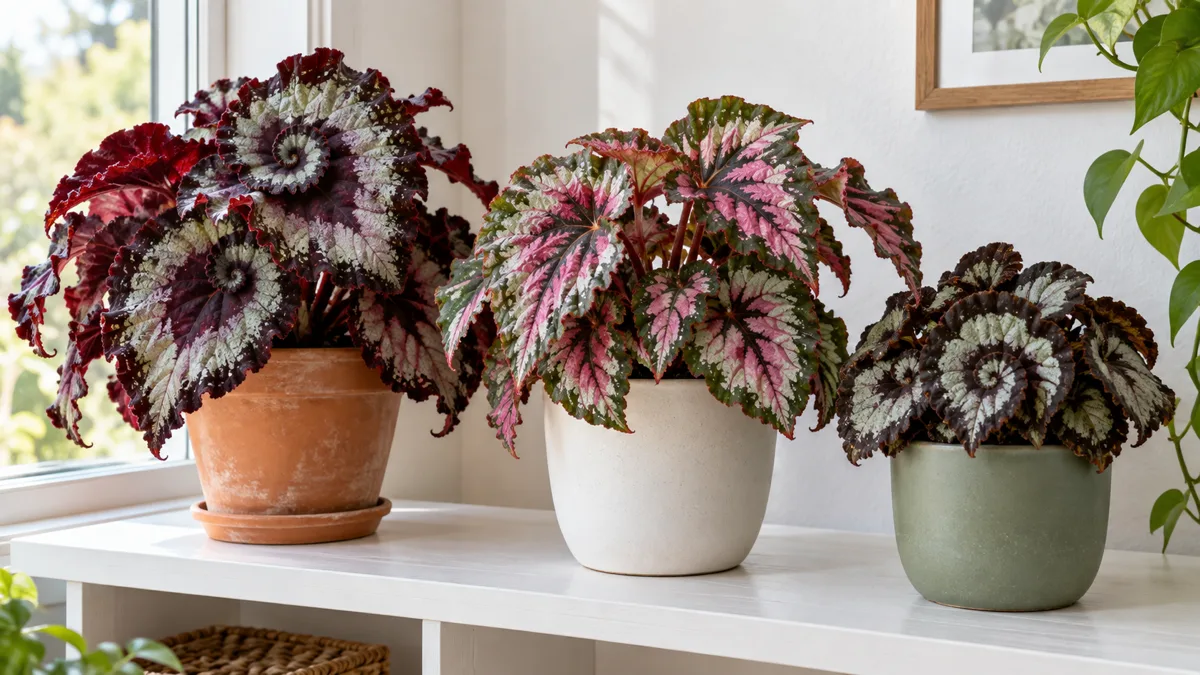
Chinese evergreen, or Aglaonema, is the most forgiving low-light pick on this list. The broad patterned leaves come in silvery-green, pink-tinged, or deep-green-and-cream variations, and the plant tolerates a dim bedroom corner without sulking. It reads soft and decorative beside a bed.
- Water when the top inch is dry. It tolerates a missed watering better than overwatering.
- Keep the room above 60 degrees. Cold drafts and chilly windows hurt it more than dry soil does.
- Wipe the patterned leaves. Dust mutes the silvery markings; a soft damp cloth restores the glow.
Pick the two or three picks that match the light and feel of your bedroom, set them a foot back from the bed, and water in the morning so the soil dries by night. If you want to extend the green to other rooms next, our plant shelf and corner styling ideas cover the same calm approach for living rooms and offices.