I have killed a lot of houseplants, and most of them died in bad spots before they ever had a styling problem. Once the survivors had the right light, the fun part started: figuring out how to actually show them off.
Styling plants is mostly about height, grouping, and giving trailing stems somewhere to fall. None of it needs a renovation or a cart full of new pots.
Here are 15 plant shelf and corner ideas you can copy this weekend, from floating shelves to that one awkward nook you have been ignoring.
From staggered floating shelves to that one awkward nook, these fifteen moves are about height, grouping, and giving trailing plants somewhere to fall. Jump straight to the spot you want to fix first.
- 1Stagger floating shelves with a trailing pothos
- 2Fill a dead corner with a tiered stand
- 3Tuck small plants between your books
- 4Hang plants to frame a window
- 5Lean a ladder shelf (no drilling)
- 6Use matching pots to calm a shelf
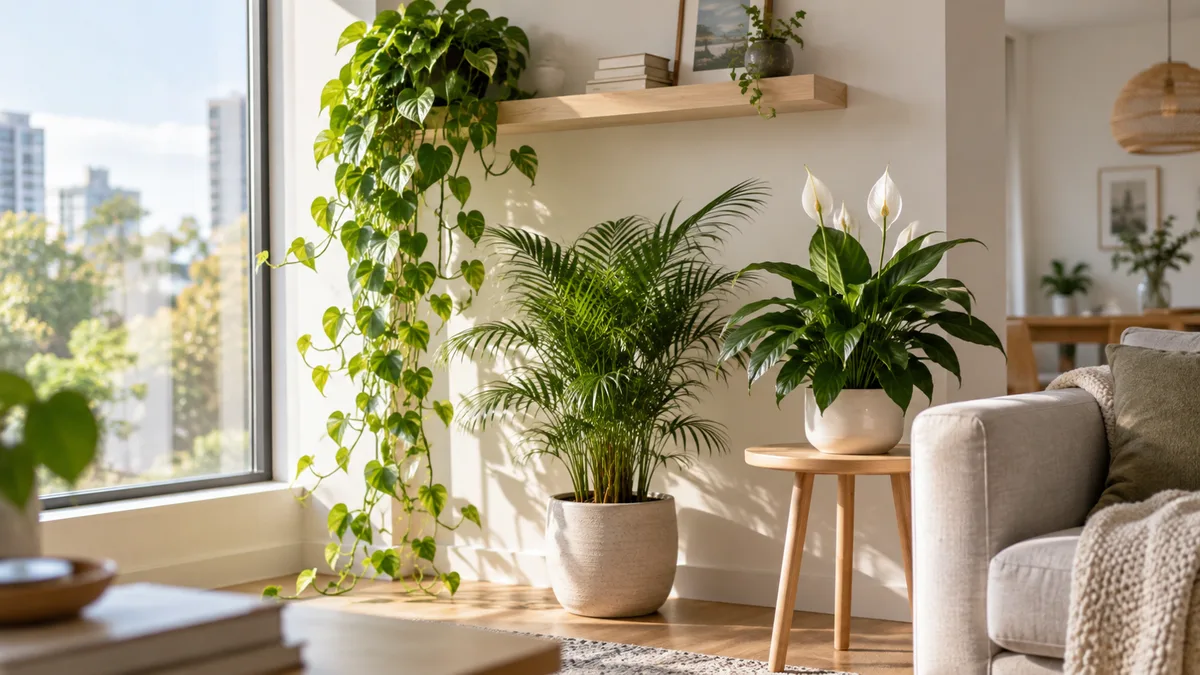
- 7Mix leaf shapes and heights
- 8Put one trailing plant up high
- 9Solve a nook with a corner shelf
- 10Group plants in threes
- 11Roll a plant cart toward the light
- 12Go vertical with wall shelves
- 13Anchor a corner with one big plant
- 14Layer plants with ceramics
- 15Add warm light for a night glow
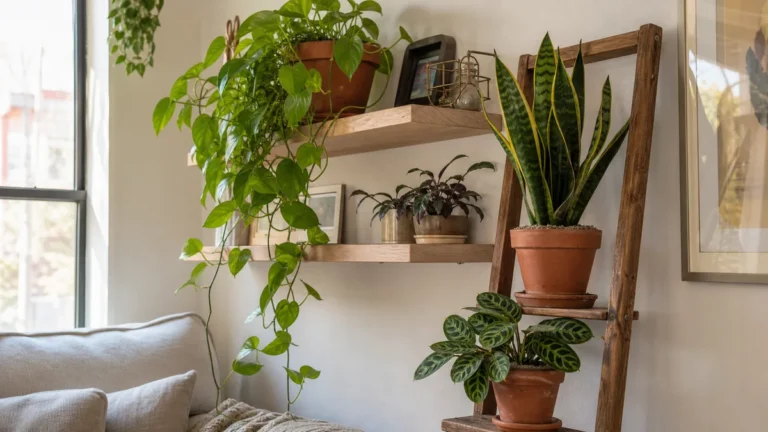
Stagger floating shelves and let a pothos spill over

Three floating shelves at different heights read as one composition instead of three random ledges. Put your trailing plant on the top shelf so the vines have the most room to fall, and the eye travels all the way down the wall.
- Top shelf gets the trailer. A pothos or heartleaf philodendron drapes best from the highest point.
- Leave the lower shelves lighter. A small plant plus one ceramic object keeps it from looking crowded.
- Stagger the spacing. Uneven gaps between shelves look intentional; even spacing looks like a hardware store.
Fill a dead corner with a tiered plant stand

A tiered stand turns the most useless square foot in the room into the best one. The stepped shelves give you three plant spots in a footprint barely bigger than one pot, and the height variation does the styling for you.
- Tallest plant up top. A snake plant or upright stem reads well at the highest tier.
- Save the floor tier for a fuller plant. A fern or peace lily fills the wider base nicely.
- Mix one flowering plant in. A single peace lily bloom keeps an all-green stand from going flat.
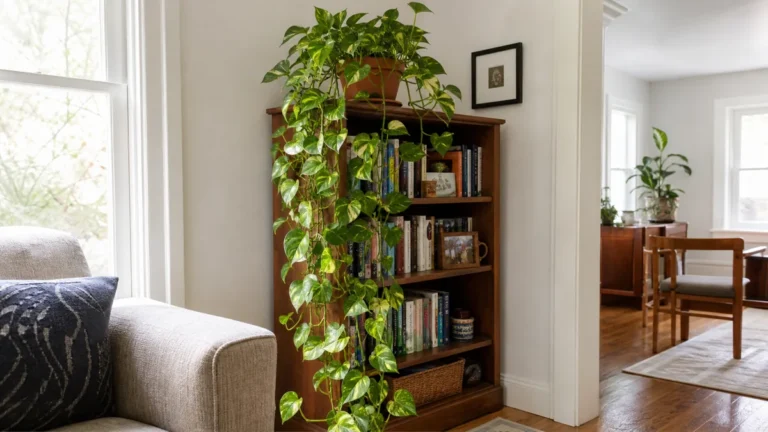
Tuck small plants between your books

Your bookshelf already has the ledges, so you do not need new furniture, just a few small plants worked into the rows. Plants between books soften all those hard spines and make a shelf feel lived in instead of staged.
- Use small pots. A pilea or peperomia fits between book stacks without crowding them.
- Let one pothos trail down a shelf edge. It breaks up the straight horizontal lines.
- Pull a few books forward as risers. Setting a pot on a short stack adds height variation.
You will not need all fifteen at once. Pick the spot below that bugs you most, and start with those two or three ideas.
Hang plants to frame a bright window

Hanging plants use the empty air next to a window that no shelf can reach, and the backlight makes the leaves glow. A window is also where most trailing plants actually want to live, so this is one of the few styling tricks that doubles as good care.
- Pick light-lovers for this spot. Spider plants and pothos handle bright, indirect window light well.
- Hang at two different heights. Staggered hangers look more natural than a matched pair.
- Check the hook can hold a watered pot. Wet soil is heavier than you think.
Lean a ladder shelf (no drilling required)

A leaning ladder shelf gives you four or five plant tiers without putting a single hole in the wall, which is why it is the renter favorite. It takes up almost no floor space because it tips back against the wall.
- Heaviest pots on the bottom rungs. It keeps the whole thing stable when you water.
- Let a trailer hang off the lowest rung. A philodendron softens the base.
- Secure the top if you have pets or kids. A small wall strap stops it from tipping.
Use matching pots to calm a busy shelf

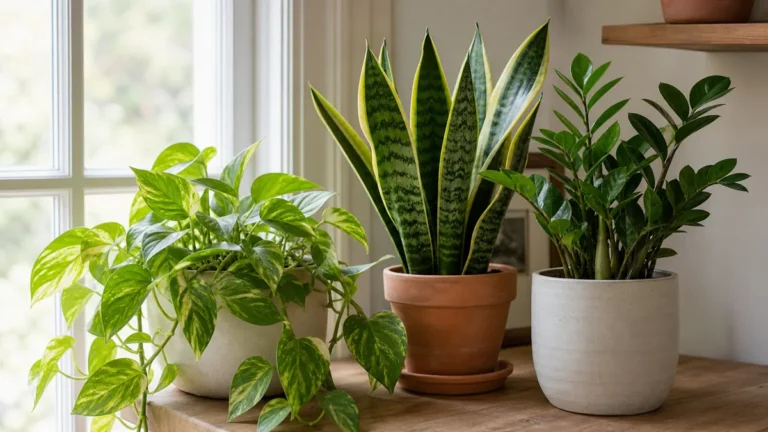
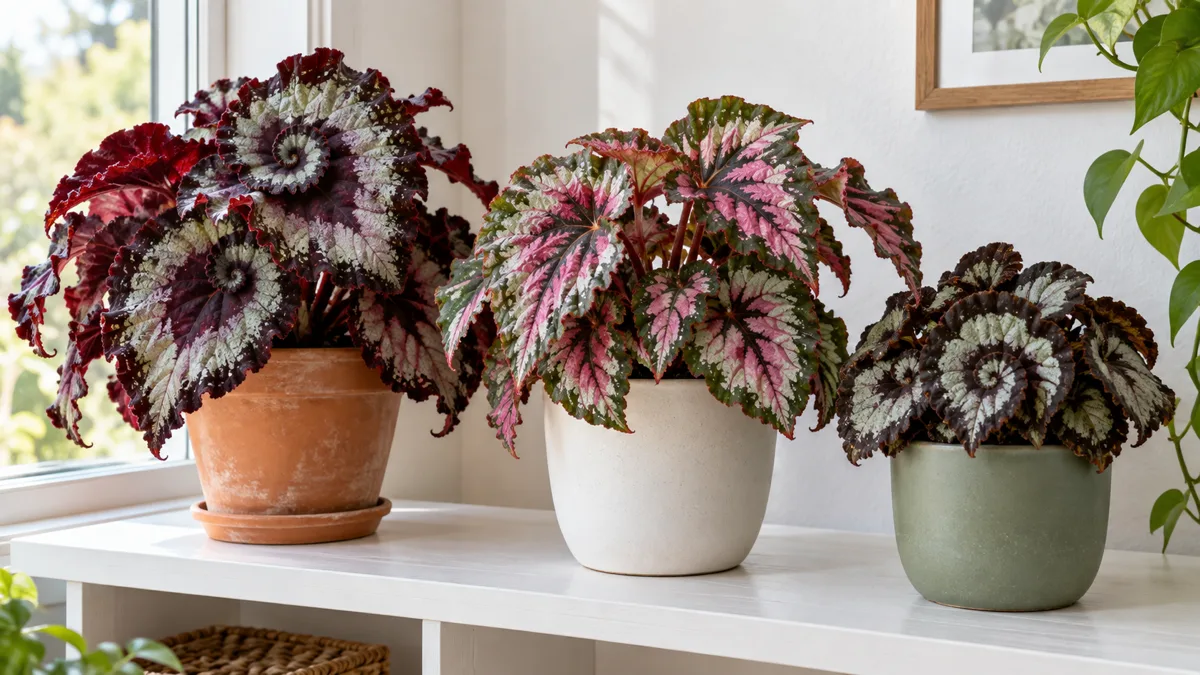
When the plants are all different, matching pots are what pull the group together. A row of identical terracotta pots lets you mix wildly different leaf shapes and still look deliberate instead of cluttered.
- Repeat one pot, vary the plants. Sameness in the container frees you up in the plant.
- Terracotta is the cheapest unifier. Plain clay pots cost a few dollars and suit almost anything.
- Match the saucers too. Mismatched trays are the detail that gives a styled shelf away.
Mix leaf shapes and heights for depth

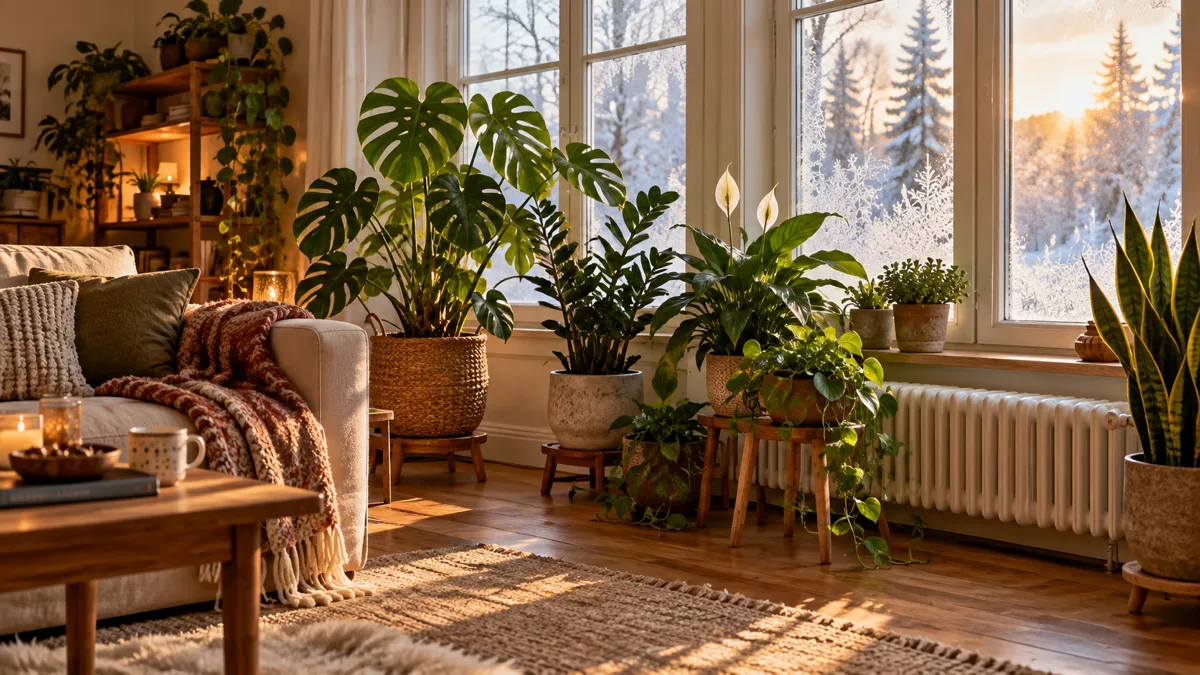
A grouping looks rich when the leaves disagree with each other. Put a big bold leaf next to a fine feathery one and a tall stem behind a low mound, and the corner suddenly has depth instead of looking like a row of similar pots.
- Contrast leaf size. A rubber plant or monstera next to a fern reads as layers.
- Stair-step the heights. Tall at the back, medium in the middle, low in front.
- Stop at three or four plants. More than that and the shapes start to compete.
Good plant styling is less about owning more plants and more about height, grouping, and giving the room something to read. These four rules are what make the fifteen ideas come together instead of just filling shelves.
Put one trailing plant up high and let it fall

One trailing plant placed high enough can cover a big empty wall for the price of a single pot. Hallways and the wall above a doorway are perfect, since nobody walks into a plant that is six feet up.
- Go as high as you can still reach to water. Height is the whole effect here.
- Choose a fast, forgiving trailer. Pothos and heartleaf philodendron grow long quickly.
- Train a few vines sideways. Tucking stems along the shelf edge widens the curtain.
Solve an awkward nook with a corner shelf

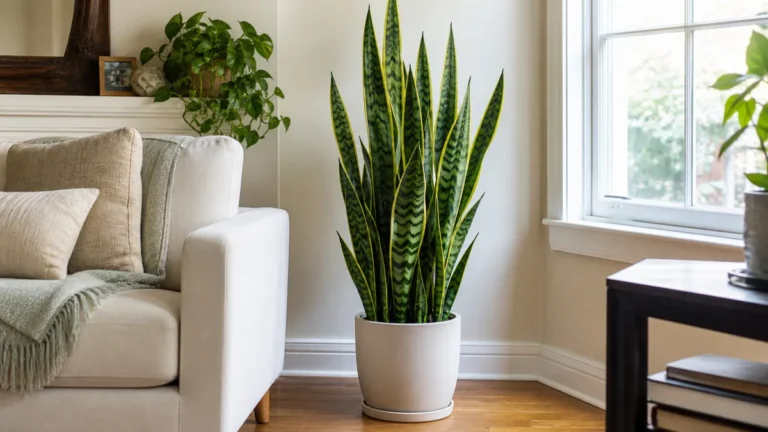
A triangular corner shelf fits the exact spot that no normal furniture will, where two walls meet at an angle. One plant on it turns a dead nook into something that looks planned.
- One plant is enough here. A single upright snake plant suits the tight space.
- Match the shelf to the wall color. It disappears and lets the plant stand out.
- Keep it at eye level. A nook plant gets noticed when it is not down by the baseboards.
Group plants in threes

Odd numbers just look better than even ones, and three is the easiest group to get right. Give the three plants different heights and the cluster looks like a styled vignette instead of plants waiting to be put away.
- Use three different heights. Tall, medium, and low keeps the eye moving.
- Let the pots touch or overlap slightly. A tight group reads as one piece.
- Repeat one plant elsewhere in the room. It ties the corner to the rest of the space.
Roll a plant cart toward the light

A cart on wheels is the answer when your best light moves through the day or the seasons. You roll the whole collection to the window in winter and back out of the hot afternoon sun in summer, no repotting involved.
- Keep the thirstiest plants on top. They are easier to reach and check.
- Group plants with similar light needs. The whole cart moves together, so they should agree.
- Lock the casters near foot traffic. A drifting cart of plants is a hazard.
15 Plant Shelf and Corner Ideas to Style Any Room
- 1Stagger floating shelves with a trailing pothosThree shelves at different heights read as one piece; put the trailer up top so it spills down.
- 2Fill a dead corner with a tiered standStepped shelves give you three plant spots in barely more than one pot’s footprint.
- 3Tuck small plants between your booksSmall pots worked into the rows soften hard book spines and make a shelf feel lived in.
- 4Hang plants to frame a windowHangers use the empty air no shelf reaches, and the backlight makes the leaves glow.
- 5Lean a ladder shelf (no drilling)A leaning ladder gives you four or five tiers with no holes in the wall, the renter favorite.
- 6Use matching pots to calm a busy shelfRepeat one pot and you can mix wildly different plants and still look deliberate.
- 7Mix leaf shapes and heights for depthA bold leaf next to a fine one, tall behind low, gives a corner real depth.
- 8Put one trailing plant up high and let it fallOne high plant covers a big empty wall for the price of a single pot.
- 9Solve an awkward nook with a corner shelfA triangular shelf fits the spot no normal furniture will and makes a dead nook look planned.
- 10Group plants in threesOdd numbers at stepped heights read as a styled vignette, not plants left out.
- 11Roll a plant cart toward the lightWheels let you chase the best light through the day and seasons, no repotting.
- 12Go vertical with wall-mounted shelvesSlim shelves hold small plants at eye level and keep a small room’s floor clear.
- 13Anchor an empty corner with one big plantA single large-leaved floor plant holds a bare corner the way a shelf cannot.
- 14Layer plants with ceramics and textureCeramic vases, a woven basket, and books give the eye texture so greenery feels at home.
- 15Add warm light so the corner glows at nightA low warm lamp turns a daytime plant corner into something soft after dark.
kultivy.com
Go vertical with wall-mounted shelves

When the floor is full, the wall is the only space left. Slim wall shelves hold a few small plants at eye level and keep the floor clear, which is what makes a small room feel bigger instead of jammed.
- Mount above furniture, not traffic paths. Over a desk or sofa is safest.
- Keep the pots small. Light pots are kinder to drywall anchors.
- Add a trailer for movement. One vine softens the straight shelf line.
Anchor an empty corner with one big plant

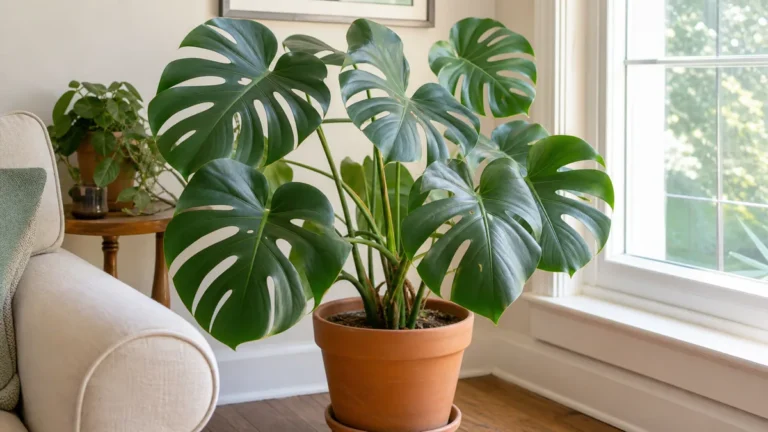
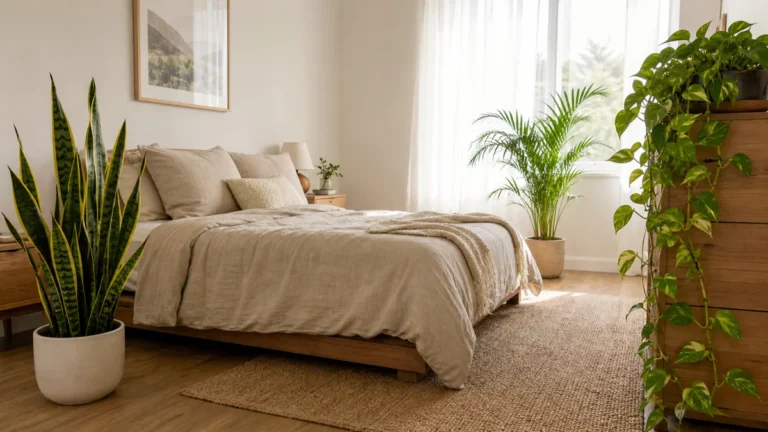
Sometimes a corner does not need a shelf or a group, it needs one plant big enough to hold the space on its own. A single floor plant with large leaves fills the gap that a sofa cannot reach and gives the room a center of gravity.
- Pick a plant with big leaves. A bird of paradise or large monstera carries a corner.
- Set it in a basket or floor planter. The container should match the plant in scale.
- Give it the light it needs first. A statement plant only stays a statement if it stays healthy.
Layer plants with ceramics and texture

Plants look most at home when they share the shelf with other natural materials. Mixing in ceramic vases, a woven basket, and a few books gives the eye texture to rest on so the greenery does not feel like an afterthought.
- Stick to a quiet color story. Neutral ceramics let the plants be the color.
- Vary the materials. Clay, woven fiber, and paper read warmer than all one finish.
- Leave some empty space. A little gap around each object keeps it from looking packed.
Add warm light so the corner glows at night

A plant corner that looks great in daylight often disappears after dark, and a small warm lamp fixes that. Light coming through and across the leaves turns the same group into something soft and cozy at night.
- Use a warm bulb, not a cool one. Warm light flatters foliage; cool light makes it look grey.
- Place the lamp low and to the side. Light raking across the leaves shows their texture.
- Skip a grow light for looks. Those are for plant health, not for the evening mood.
If you only try one of these, start with the dead corner. Pick the spot in your home that has bugged you the longest, match it to the idea that fits, and let the plants you already kept alive finally earn their spot.