Hoya Carnosa Care: How to Grow a Wax Plant That Actually Blooms

Most hoyas people buy as a small wax plant from a nursery sit on a shelf for two or three years without ever blooming, then quietly get blamed for being slow or boring. The plant is almost always fine. The setup is wrong.

Hoya carnosa is a tree-anchored semi-epiphyte, not a soil plant. What wakes it up to bloom is mostly the opposite of what beginners give it: real direct sun, a snug pot, chunky bark mix, infrequent deep waterings, and never cutting the spent flower stalk.

If hoya is your first houseplant, the easy houseplants list is a softer start. Otherwise the sections below cover what moves a wax plant from alive to blooming.

Jump to a hoya care section
A complete hoya carnosa care guide for the wax plant that finally blooms

Hoya carnosa is the wax plant that almost everyone keeps alive and almost no one gets to bloom. The thirteen sections below cover the exact light, watering, soil mix, pot size, and never-cut-the-peduncle rule that finally unlocks fragrant porcelain-pink umbel flowers.

Light: bright indirect plus several hours of direct sun is non-negotiable for blooms

A mature hoya carnosa on a low east-facing windowsill with thick waxy oval green succulent leaves on a woody trailing vine catching clear bright morning direct sunlight from the side with the wax cuticle visibly glowing

Pure indirect light keeps a hoya alive but it will not bloom on it. The bloom trigger is a few hours of real direct sun a day, gentle morning sun ideally, plus very bright indirect the rest of the day.

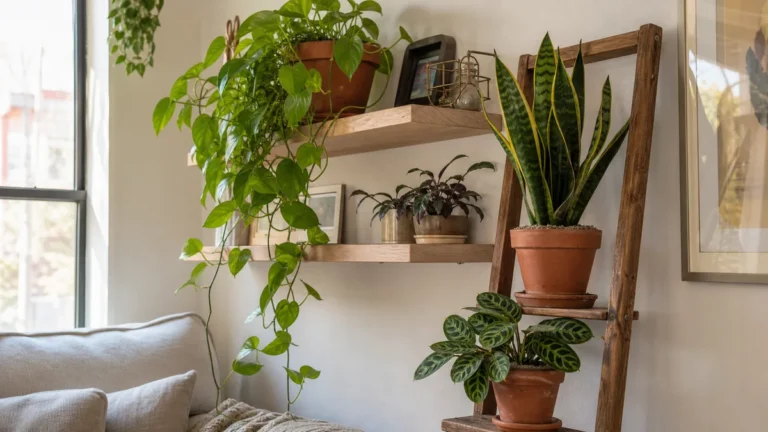
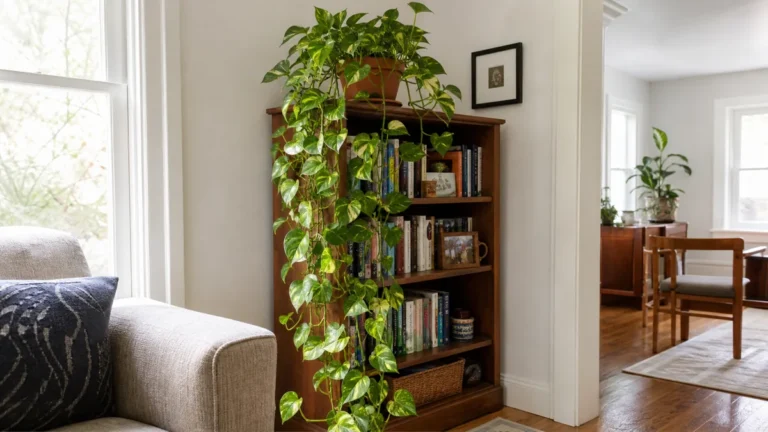
We also listed hoya as one of the picks in the indoor hanging plants roundup, where the same light rule applies if you choose to mount it.

  • Bright indirect plus some direct sun, an east window with morning direct or a south window two feet back with a sheer curtain hits the threshold reliably.
  • Plain green and no blooms almost always traces back to a room that is too dim, not to anything you did wrong.
  • Wax cuticle protects from light much better than thin aroid leaves, so a few hours of direct sun rarely burns a hoya.

Watering: treat it like a succulent, let the pot dry between deep drinks

A hand pouring a slow stream of water from a small narrow-spout watering can into the top of a terracotta pot of hoya carnosa with the chunky bark and perlite soil surface clearly bone dry before the pour starts and waxy oval green leaves draping over the pot edge

A hoya stores water in its thick waxy oval leaves, so a weekly schedule drowns it. The rule that works in a real home is to wait until the top two inches of the chunky mix are bone dry, then water deeply until water drains out the bottom.

In winter the gap between waterings stretches to two or three weeks. Cold roots in wet bark rot fast.

  • Top two inches bone dry first, push a finger into the bark, do not water on a calendar.
  • Deep soak then drain, half waterings keep the bottom of the root ball dry and the bottom leaves yellow first.
  • Winter gap two to three weeks is normal, do not panic-water a cold dry hoya.

The soil mix that mimics a tree branch: chunky orchid bark, perlite, and a little peat

An overhead view of a wood tray on a kitchen counter holding a freshly mixed soil blend of golden brown orchid bark chunks and bright white perlite pellets with a small handful of darker peat sprinkled in and a tipped terracotta pot with hoya roots clinging to chunks of old bark

Hoya carnosa is a semi-epiphyte that grows anchored on a tree branch in the wild, not packed in dense soil. Standard potting mix stays wet too long around the roots and silently rots them from the bottom.

The mix that works in a normal home is a one to one ratio of orchid bark and perlite, with a quarter handful of peat for a bit of moisture retention. Roots breathe, drainage is fast, rot is rare.

  • One to one orchid bark and perlite, the bark chunks should be roughly the size of a pinky fingernail.
  • A quarter peat, just enough to hold a little water against the roots, not a full peat-heavy mix.
  • Skip cactus mix straight, it drains fast but lacks the chunky structure roots like to grip.
Where to start with hoya carnosa
What does your hoya actually need right now?

Most hoya problems trace back to one of four blind spots. Start with whichever situation describes yours, then come back to the rest later.

It looks healthy but has never bloomedAlmost certainly a light issue, with a pot issue right behind it. Move it to an east window and stop up-potting.
Leaves are going soft and yellow at the baseOverwatering, and probably a soil that holds too much water. See watering and soil mix.
You cut a bare stalk and want to know if you killed the bloomsYou probably reset the bloom clock. Read the peduncle rule, then never do it again.
You have a curious cat or dogGood news, hoya is one of the few truly pet-safe vines. Hang it anywhere a non-toxic trailer fits.

The pot trick that triggers blooms: stay root-bound on purpose

A pair of hands lifting a mature hoya carnosa root ball out of a small snug terracotta pot on a kitchen counter with the root ball clearly the same pot-shaped cylinder of dense pale roots packed with bits of bark and the empty pot tipped beside it showing the snug fit

A comfortably root-bound hoya in a snug pot blooms. A freshly up-potted hoya spends two years rebuilding roots before it even considers a flower. The instinct to give every plant more room is wrong here.

If your hoya looks healthy and has not bloomed, resist up-potting unless you literally cannot keep the pot wet enough between waterings, which is the only honest signal it has outgrown the pot.

  • Snug, not roomy, the root ball wants to fill the pot like a cylinder, not float in fresh soil.
  • Two years lost after every up-pot, the plant rebuilds roots before it spends energy on flowers again.
  • Only up-pot when you cannot keep up with water, that is the one honest signal the pot is clearly too small.

Best spot in a real home: east window first, south window second

A real home corner with a mature hoya carnosa in a terracotta pot on a low wood plant stand placed in the corner where an east-facing window meets a south-facing window with the east window bright with direct morning sun and the south window softened by a sheer linen curtain

East is the best window in most houses for hoya. Morning direct sun gives the bloom-trigger light without the harsh afternoon angles that scorch waxy leaves on a west window.

A south-facing window with a sheer linen curtain works at about two feet of distance. North windows keep the plant a healthy green and almost never bloom. West windows in summer can bleach the leaves pale.

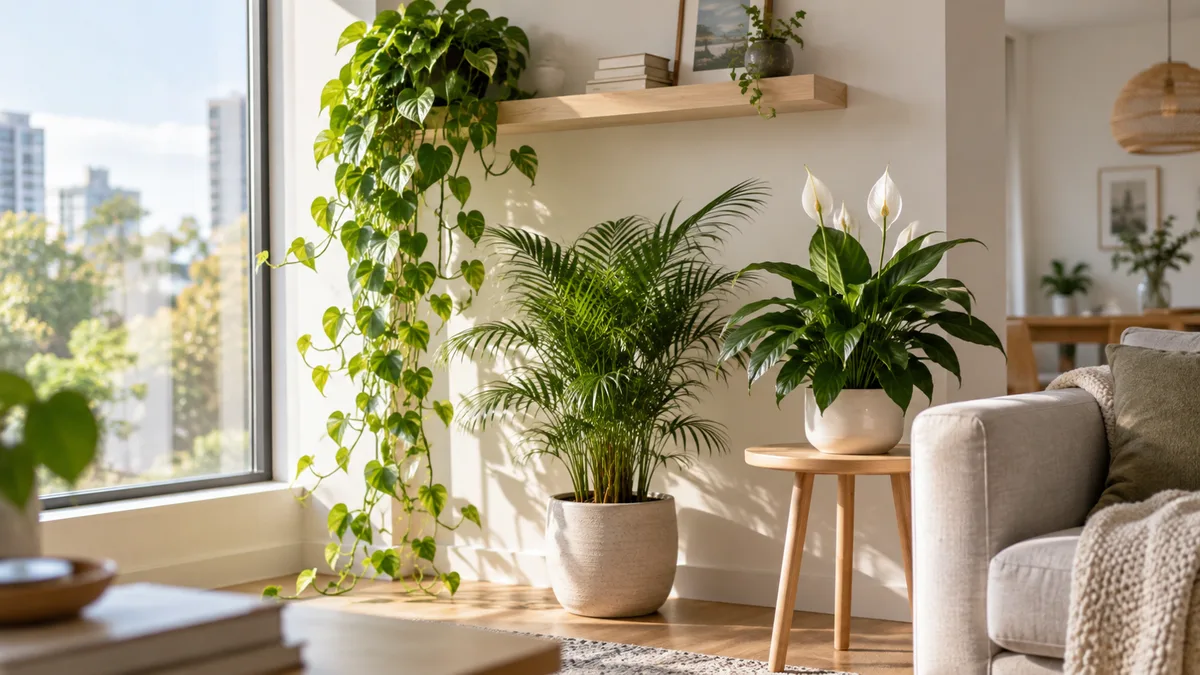
A high shelf in a bright corner also works, as long as the spot still gets a couple of hours of real direct sun, the same way you might style a shelf or corner display with a trailing plant.

  • East window with morning direct sun, the most reliable bloom spot in a typical home.
  • South window with sheer at two feet, second best, the sheer softens harsh midday.
  • North window for green only, fine if you do not care about blooms, otherwise move it.

The bloom secret nobody tells beginners: never cut the spent peduncle

A tight macro closeup of a single bare spent peduncle stub about an inch off a woody hoya carnosa vine with no current flowers on it surrounded by waxy oval green leaves and soft natural daylight side lighting the vine

After a hoya finishes blooming, the bare stalk the flowers came from looks dead and pointless. That stalk is called a peduncle or a spur. It is the exact place future blooms will form. Cutting it resets the bloom clock by years.

Leave every spent peduncle on the vine, even if the plant has not bloomed yet this year. The same spur reblooms each season for a decade once it gets going.

  • The peduncle looks dead but is alive, dry, woody, brown, all normal, leave it.
  • Cutting resets the bloom clock by years, the plant has to grow a new spur from scratch.
  • The same spur reblooms for a decade, this is the single move with the biggest long term payoff.
What separates a blooming hoya from a green one that never flowers
A 4-rule system for hoya carnosa care

Most blooming failures come from one of four moves people skip. Follow these four and almost any healthy hoya will eventually flower.

Give it real direct sun, not just bright indirectThe wax cuticle on hoya leaves protects against light far better than the thin leaves of a typical aroid. A few hours of morning direct sun a day is the bloom trigger, and pure indirect light is the most common reason a healthy hoya never flowers.
Water like a succulent, not like a pothosWait until the top two inches of the chunky bark mix are bone dry, then water deeply until it drains out the bottom. In winter that gap can stretch to two or three weeks. Half waterings on a calendar leave the bottom of the root ball soggy and the bottom leaves yellow.
Keep the pot snug, not roomyA comfortably root-bound hoya blooms. A freshly up-potted hoya spends two years rebuilding roots before it considers a flower. Only up-pot one size when you literally cannot keep up with watering, never as routine maintenance.
Never cut the spent peduncleThe dry-looking stalk left behind after a flower cluster finishes is the exact spur the next blooms will form on. Leave every peduncle on the vine, even if the plant has not bloomed in two years. The same spur reblooms for a decade once it gets going.

Propagation: stem cuttings with two or three nodes root in water or LECA

A clear small glass jar of clean water on a sunlit kitchen windowsill holding a single short hoya carnosa stem cutting with the lower node submerged showing fine pale new water roots an inch long and the upper node above water carrying two thick waxy oval green leaves

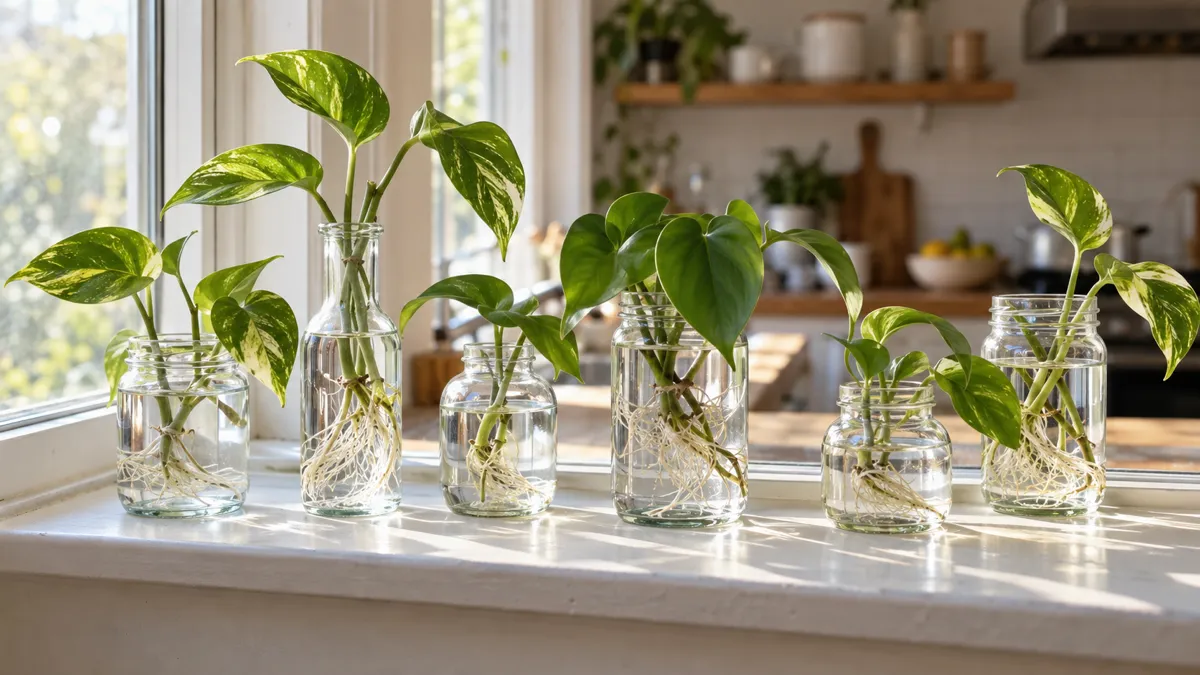
A hoya stem cutting with two or three nodes will root in plain water or LECA in three to four weeks. Snip a vine just below a node, strip the bottom leaves, and sit the cutting in bright indirect light with the bare node submerged.

When the new roots are about an inch long, pot the cutting up into the same chunky orchid bark mix. Do not pre-root in dense soil. Dense soil rots a young hoya cutting before roots form.

  • Two or three nodes per cutting, bottom node submerged or in LECA, top node with two waxy leaves above.
  • Three to four weeks to roots, in bright indirect light, change the water weekly.
  • Pot into chunky bark mix at one inch of roots, water sparingly the first month while roots adjust.

Pet safety: hoya is on the short list of trailing plants that is genuinely non-toxic

A real living room with a mature hoya carnosa in a terracotta pot on a high open wood shelf and a calm tabby cat sitting on a rug on the floor below looking up at the dangling waxy oval green leaves with curiosity

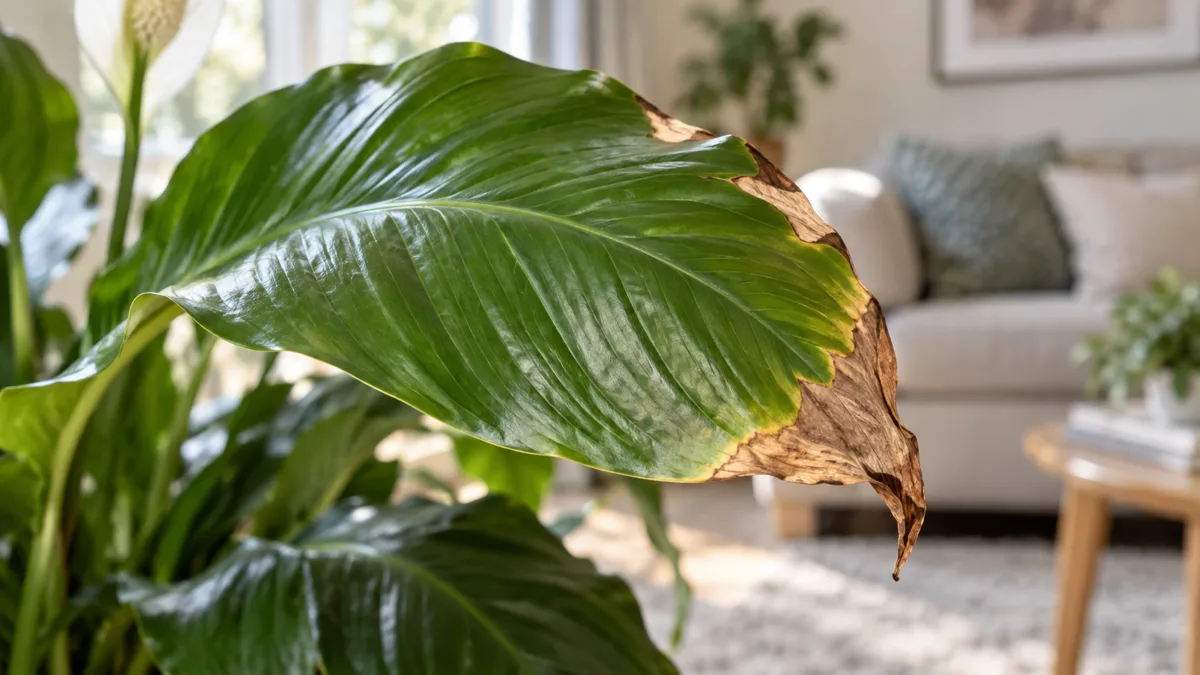
Hoya carnosa is on the ASPCA non-toxic list for both cats and dogs. That puts it on a very short list of trailing or vining houseplants that is safe for curious pets, which includes spider plant and Boston fern but not pothos, philodendron, peace lily, or ZZ.

The only real watch-out is mild stomach upset if a pet manages to chew a large mouthful of leaves, which is true of almost any plant. There is no calcium oxalate, no saponin, no insoluble toxin.

  • ASPCA non-toxic to cats and dogs, one of the few genuinely pet-safe vining picks.
  • No oxalate or saponin, unlike pothos, philodendron, peace lily, ZZ, monstera.
  • Mild stomach upset only, if a pet chews a large mouthful of leaves, the same as for almost any greenery.

Repot rarely: every two or three years at most, and only one size up

A kitchen counter with two terracotta pots side by side, a smaller snug six inch pot on the left that just held the hoya and a only one size larger seven inch terracotta pot on the right now holding a freshly replanted mature hoya carnosa in the same chunky bark and perlite mix

Hoya does not need an annual repot. Every two or three years is usually plenty, and even then only if roots are circling the surface or water rushes straight through the pot without soaking in.

When you do repot, go up exactly one pot size. A six inch goes to a seven inch, never to a ten. Reuse the same chunky orchid bark and perlite mix, and water sparingly for the first month so the new roots find the fresh bark on their own.

  • Every two or three years, only when you see clear root-circling or water-rush signs.
  • One pot size up only, jumping two sizes will buy you two more years without blooms.
  • Reuse the chunky bark mix, no need to switch formulas mid-life, the plant is already happy in it.
Save this for later

Hoya Carnosa Care: The Quick Reference

  1. 1Light: bright indirect plus some direct sunEast window with morning direct sun is the most reliable bloom spot. South window with sheer at two feet works. North window keeps it green but bloomless.
  2. 2Water: top two inches bone dry, then deep soakTreat it like a succulent. Winter gap stretches to two or three weeks. Half waterings rot the bottom of the root ball.
  3. 3Soil: chunky orchid bark and perlite, light peatOne to one bark and perlite with a quarter peat. Standard potting mix rots roots silently from the bottom.
  4. 4Pot: snug and root-bound on purposeA six inch stays a six inch for years. Up-pot one size only when you literally cannot keep up with water.
  5. 5Best spot: east window first, south window secondWest windows scorch the wax in summer. North windows almost never bloom. East morning sun is the proven bloom trigger.
  6. 6Never cut the spent peduncleThe dry stalk a finished bloom leaves behind is the exact spur the next cluster forms on. Cutting resets the bloom clock by years.
  7. 7Propagate: two or three node cuttingsRoot in water or LECA in three to four weeks. Pot into chunky bark mix at one inch of roots. Skip dense soil rooting.
  8. 8Pet safe: ASPCA non-toxic for cats and dogsNo oxalate calcium, no saponin. One of the few trailing vining plants that is truly safe around curious pets.
  9. 9Repot: every two or three years, one size upOnly when roots are clearly circling the surface or water rushes through without soaking. Jumping two sizes costs you two years of blooms.
  10. 10Pests: mealybugs love hoya leaf jointsCheck the waxy folds monthly. Cotton swab with seventy percent isopropyl alcohol spot-treats white fuzz on contact.
  11. 11Yellow leaves: overwater first, sunburn secondYellow soft leaves at the base means soggy soil. Bleached pale patch on the lit side means too much direct afternoon sun.
  12. 12Varieties: Variegata, Krimson Queen, Princess, Hindu Rope, TricolorVariegated forms grow slower and need more light. Hindu Rope is the slowest and the most striking of the lot.
  13. 13Long term: decades in the same potA single hoya can rebloom every year for fifteen, twenty, thirty seasons as long as the peduncles stay and the pot stays snug.

kultivy.com

Pests: mealybugs love a hoya, check the leaf joints monthly

A macro closeup of a hand using a single cotton swab to dab the joint where a hoya carnosa leaf meets a woody vine with a couple of tiny visible white fuzz mealybug specks in the joint about to be wiped and thick waxy oval green leaves filling the soft focus around

The waxy folds where each hoya leaf meets the woody vine are exactly where mealybugs hide. They cluster, suck sap, and leave sticky honeydew on the leaves below before you notice.

A monthly check, followed by a cotton swab dipped in seventy percent isopropyl alcohol if you see white fuzz, keeps mealybugs from establishing. Spider mites show up in heated dry winter rooms, and a monthly shower in the bathroom keeps both pests off.

  • Check the leaf-stem joints monthly, the white fuzz of mealybugs starts there before it spreads.
  • Cotton swab plus seventy percent isopropyl spot-treats fuzz on contact, then wipe the joint clean.
  • Monthly bathroom shower rinses early spider mites off the leaf undersides before they breed.

Why hoya leaves yellow or go limp: overwatering first, sunburn second

A medium tight closeup of two hoya carnosa leaves side by side on the same woody vine in a real home one clearly healthy firm thick deep glossy green waxy oval and the other clearly yellowing and slightly limp at the leaf base with the petiole soft and the leaf hanging at a slack angle

Yellow soft leaves at the base of the plant almost always mean the soil stayed wet too long. Lift the pot, check whether the bark mix is still damp deep down, and inspect the roots if any leaves drop. Rotten roots are mushy and brown, healthy roots are firm and pale.

Bleached pale-yellow patches in the middle of a leaf, on the side facing the window, mean direct afternoon sun is burning the wax cuticle. Move the plant a foot back from the glass.

  • Yellow at the base, soft to the touch, almost always overwatering, check root health.
  • Bleached pale patch on the lit side of a leaf is sunburn, pull the plant back from the window.
  • Both at once is rare, diagnose one cause first, not both.

Varieties worth knowing: Krimson Queen, Krimson Princess, Hindu Rope, Tricolor, Variegata

Three small mature hoya carnosa varieties grouped on a low wood shelf in a sunlit real living room with a Krimson Queen with cream-edged leaves on the left a Hindu Rope with tightly curled twisted waxy leaves on a short ropy stem in the center and a Krimson Princess with cream-centered leaves on the right

Plain Variegata is the easiest beginner pick, a green hoya with no extra demands. Krimson Queen has cream-edged leaves with pink-tipped new growth. Krimson Princess flips that, cream centers with green edges. Hindu Rope (carnosa Compacta) has the same thick waxy leaves twisted into tight curls on a slow ropy vine. Tricolor adds pink, cream, and green to new leaves at the same time.

The variegated forms grow slower and need a bit more light to keep the color, but the care rules are otherwise identical.

  • Plain Variegata is the most forgiving and the fastest grower of the bunch.
  • Krimson Queen and Princess flip cream and green edge versus center, both need more light to hold the variegation.
  • Hindu Rope is the slowest, the most striking, and the one most likely to look almost dead and still be fine.

Long term: a hoya carnosa can live and bloom for decades

A very large mature heirloom hoya carnosa in a plain medium terracotta pot on a high open wood shelf in a sunlit real living room with dozens of woody trailing vines carrying many thick waxy glossy oval green leaves cascading three to four feet down the wall and three or four spherical porcelain pink star flower umbel clusters in various stages of bloom

A single hoya carnosa can stay in the same pot in the same room and rebloom every year for fifteen, twenty, thirty seasons. Old specimens passed down across generations are common in plant communities.

The recipe is short. Keep the peduncles on the vine, keep the pot snug, keep the light bright with some real direct sun, and let the plant do the rest. This is the closest thing indoor gardening offers to an heirloom plant.

If you would rather style this hoya at eye level on a styled shelf or open corner instead of letting it cascade, the plant shelf ideas guide covers shelf styling for trailers and uprights side by side.

About the author
Mara Quinn

Mara Quinn edits Kultivy, where she shares houseplant care, propagation, beginner-friendly plant picks, and plant-styling ideas for anyone who wants their indoor plants to actually thrive. Every guide is image-led and reviewed for clarity, usefulness, image accuracy, and Pinterest-to-page alignment before it goes live. Visit the About page.

Similar Posts

Leave a Reply

Your email address will not be published. Required fields are marked *