- The Kill-Proof Ranking System, Explained
- The Complete Comparison Chart
- Level 1 — Nearly Impossible to Kill
- Level 2 — Forgiving but Not Foolproof
- Level 3 — Worth It Once You Have One Season Behind You
- 5 Vegetables I’d Skip in Your First Year
- Your First-Year Planting Plan: Just Pick 3 to 5
- Frequently Asked Questions
15 Easiest Vegetables to Grow (Ranked by How Hard They Are to Kill)
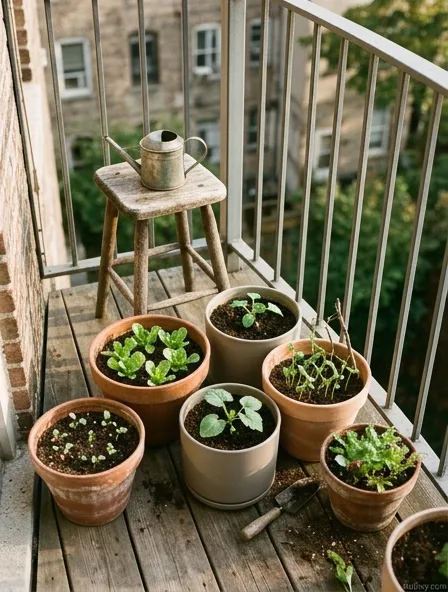
A first vegetable garden can go sideways fast. Cauliflower bolts, celery turns stringy, and ambitious crops can overwhelm a small balcony or raised bed before a beginner has learned the basics.
The crops that usually help beginners learn fastest — lettuce, radishes, and green beans — point to the most useful lesson in beginner vegetable gardening: the easiest vegetables to grow are not always the most exciting ones. They are the ones that forgive small watering, timing, and spacing mistakes while you are still learning what “moist but not soggy” actually means.
This guide uses a simple ranking system. Kultivy scored 15 vegetables across four beginner-friendly dimensions, then sorted them from most forgiving to better-after-one-season. Soil temperatures, spacing, watering inches per week, container sizes — all of it is included.
If you are staring at a seed catalog wondering where to start, use this as a practical first-year shortlist rather than a promise that any crop is impossible to damage.
Gardening note: This ranking uses Zone 7 timing as the main example, but the easiest vegetables for your yard still depend on frost dates, heat, sunlight, soil, and water access. Treat “kill-proof” as shorthand for forgiving, not impossible to damage. Check your local extension office or seed packet dates when adapting the calendar outside Zone 7.
The Kill-Proof Ranking System, Explained
Every vegetable on this list is scored from 1 to 5 in four beginner-friendly categories. The score is a practical shortcut, not a guarantee that a crop will thrive in every climate or container.
Watering Forgiveness — how well it handles a missed day (or three). Pest and Disease Resistance — how often you’ll be Googling “white spots on leaves” at midnight. Speed to Harvest — because nothing kills motivation like waiting four months for a single pepper. Flexibility — whether it adapts to imperfect light, mediocre soil, or a container on your fire escape.
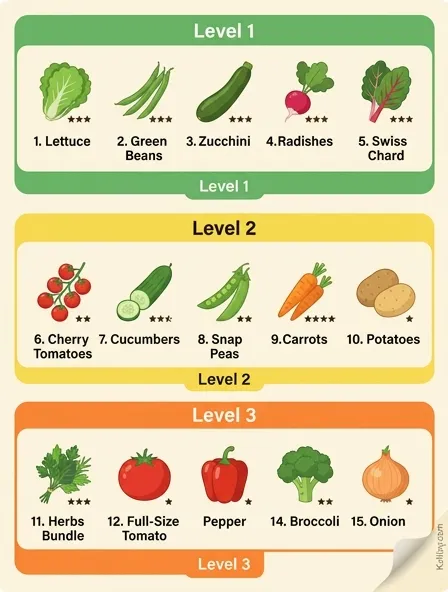
Each category maxes out at 5 points, so the highest possible score is 20. The results are grouped into three levels:
Level 1: Nearly Impossible to Kill (16–20). These are the most forgiving vegetables for beginners. They still need the basics — light, water, drainage, and the right season — but they recover from small mistakes better than fussier crops.
Level 2: Forgiving but Not Foolproof (11–15). These need a little attention — consistent watering, decent sunlight, maybe a support cage — but they won’t punish a single mistake with instant death.
Level 3: Worth It Once You Have One Season Behind You (6–10). These are rewarding but pickier. They belong in your second-year garden, after you’ve learned what your soil does in July and where the sun actually hits at 2 PM.
The Complete Comparison Chart
| Vegetable | Forgiveness Score | Level | Days to Harvest | Min. Sun (hrs) | Water (in/wk) | Min. Container | Container Friendly? | Best Season (Zone 7) |
|---|---|---|---|---|---|---|---|---|
| Lettuce & Salad Greens | 19 | 1 | 21–45 | 4 | 1 | 6″ deep | Yes | Spring & Fall |
| Green Beans | 18 | 1 | 50–60 | 6 | 1 | 8″ deep, 12″ wide | Yes | Mid-Apr–Jul |
| Zucchini & Summer Squash | 18 | 1 | 45–55 | 6 | 1–1.5 | 5 gal | Yes | After last frost |
| Radishes | 17 | 1 | 25–30 | 6 | 1 | 6″ deep | Yes | Spring & Fall |
| Swiss Chard | 16 | 1 | 55–65 | 4 | 1–1.5 | 8″ deep | Yes | Mar–Nov |
| Cherry Tomatoes | 15 | 2 | 60–75 | 6–8 | 2 | 5 gal | Yes | After last frost |
| Cucumbers | 14 | 2 | 50–65 | 6 | 1–1.5 | 5 gal | Yes (bush type) | Late Apr–May |
| Snap Peas | 14 | 2 | 60–70 | 6 | 1 | 8″ deep | Yes | Feb–Mar |
| Carrots | 13 | 2 | 70–80 | 6 | 1 | 12″ deep | Yes | Spring & Fall |
| Potatoes | 12 | 2 | 90–120 | 6 | 1–2 | 10 gal | Yes (grow bag) | Mid-Mar |
| Herbs (Basil, Mint, Chives) | 12 | 2 | 30–75 | 4–6 | 1 | 4–6″ deep | Yes | Year-round (varies) |
| Full-Size Tomatoes | 10 | 3 | 75–90 | 8 | 2 | 10 gal | Possible | After last frost |
| Peppers | 9 | 3 | 90–120 | 8 | 1–1.5 | 3 gal | Yes | May transplant |
| Broccoli | 8 | 3 | 80–100 | 6 | 1–1.5 | 5 gal | Possible | Feb start / Apr transplant |
| Onions | 7 | 3 | 90–120 | 6 | 1 | 6″ deep | Yes | Early spring (sets) |
Save that table. It is the fastest way to compare timing, water, sunlight, containers, and beginner tolerance before you buy seeds. Now let’s dig into each one.
Level 1 — Nearly Impossible to Kill
1. Lettuce and Salad Greens — Score: 19/20

Lettuce is often the first vegetable that makes a beginner feel competent. It can grow in a shallow pot, tolerate partial shade, and produce harvestable leaves in just a few weeks. No staking, no pruning, no drama.
The secret to lettuce is that it actually prefers conditions most beginners accidentally create. Partial shade? Lettuce loves it — 4 hours of direct light is enough. Cool weather? That’s when it thrives. The only way to truly kill lettuce is to leave it in full summer sun above 80°F, where it bolts into a bitter, leggy tower practically overnight.
Sow seeds just ¼ inch deep, space them 4–6 inches apart, and give them about 1 inch of water per week. In Zone 7, you get two beautiful windows: March through May and September through November. Use the cut-and-come-again method — harvest the outer leaves with scissors and let the center keep producing. One planting can feed you for six to eight weeks.
Container minimum: 6 inches deep. A basic window box works. If you only grow one thing your first year, make it lettuce.
2. Green Beans — Score: 18/20

Green beans ask almost nothing of you and give back more than you’d expect. Bush varieties need zero support structure, mature in 50–60 days, and fit neatly into containers. They also fix nitrogen in your soil, which means your garden is literally better off after growing them.
Plant seeds 1 inch deep, 3 inches apart, once your soil temperature hits 60°F. In Zone 7, that’s typically mid-April. Give them 6 hours of sun, 1 inch of water per week, and stand back. The biggest rookie mistake with beans is planting too early — cold, wet soil rots the seeds before they ever sprout.
Harvest every two to three days once pods start appearing. The more you pick, the more the plant produces. A quick morning check is usually enough once the plants are producing. Container minimum: 8 inches deep, 12 inches wide for three plants.
3. Zucchini and Summer Squash — Score: 18/20
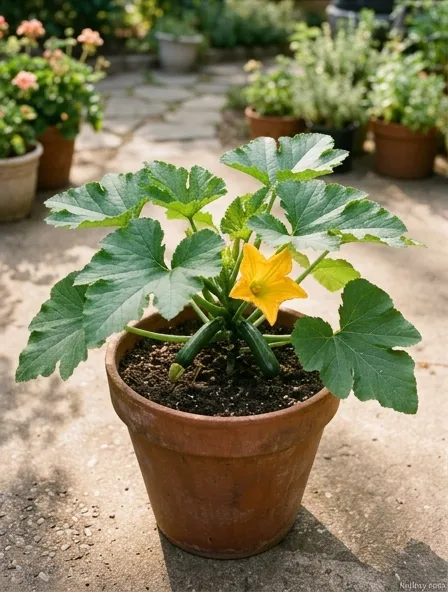
There is a running joke in gardening communities: the only time you should lock your car in summer is when zucchini is in season, or your neighbors will fill your back seat. One plant can produce 6–10 pounds of fruit over a season, so beginners usually need fewer plants than they think.
Sow seeds directly after your last frost date, once soil hits 60°F. Give each plant 3–4 feet of breathing room. They need 6 hours of sun and 1 to 1.5 inches of water weekly. Harvest when fruits are 6–8 inches long — the giants look impressive but taste like wet cardboard.
One real warning: squash vine borers. Check the base of the stem weekly for frass (sawdust-like debris). Catching them early is the difference between a full harvest and a collapsed plant in 48 hours. Container minimum: 5 gallons, but bigger is better.
4. Radishes — Score: 17/20

Radishes are the instant gratification of the vegetable world. Seed to harvest in 25–30 days. They are useful morale crops while slower vegetables are still getting established.
Plant seeds ½ inch deep, 1 inch apart, then thin seedlings to 2–3 inches once they sprout. Skipping the thinning step is the number-one radish mistake — crowded radishes give you all leaf and no root. They need 6 hours of sun, 1 inch of water per week, and consistent moisture. Dry soil makes them woody and unbearably spicy.
In Zone 7, plant in March–April and again in September–October. Skip summer entirely. Every two weeks, sow a new row for a continuous supply. Container minimum: 6 inches deep. A single 12-inch pot can give you a dozen radishes every month.
5. Swiss Chard — Score: 16/20
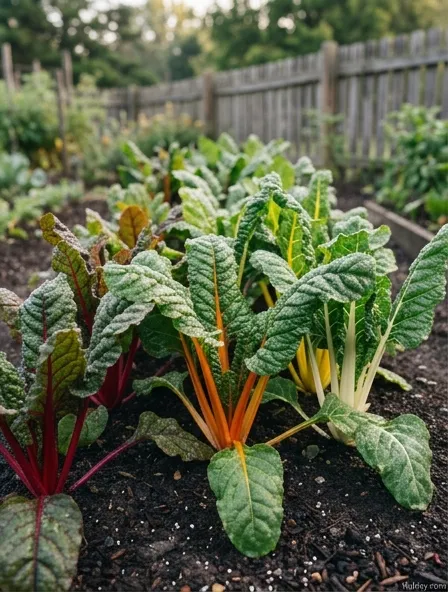
Swiss chard is a good beginner backup when spinach bolts quickly or kale attracts too much pest pressure. Chard handles heat better than spinach, resists pests better than kale, and looks good while doing it. The Rainbow variety is almost ornamental — bright red, orange, and yellow stems that make a beginner garden look intentional.
Sow seeds ½ inch deep, 6 inches apart. It tolerates as little as 4 hours of sun, making it ideal for partly shaded balconies. Give it 1 to 1.5 inches of water weekly. In Zone 7, you can plant from mid-March and harvest all the way through November. Pull outer leaves and the center keeps regenerating all season.
Container minimum: 8 inches deep. If you want leafy greens that last from spring to hard frost without replanting, chard is the one.

Level 2 — Forgiving but Not Foolproof
6. Cherry Tomatoes — Score: 15/20

Full-size tomatoes are on this list too (at Level 3), but cherry tomatoes belong in a different conversation entirely. They’re more disease-resistant, less fussy about consistent watering, and so productive that a single plant can yield 200–300 fruits in a season.
They do need real sunlight — 6 to 8 hours of direct sun, no compromises. They need 2 inches of water per week, delivered consistently. Erratic watering causes cracking and blossom end rot. They need a cage or stake once the fruit sets, because a loaded cherry tomato plant gets heavy fast.
In Zone 7, transplant seedlings outdoors after your last frost date (around mid-April). Pinch off suckers — those small shoots in the crotch between the main stem and branches — every week to direct energy toward fruit. When pruning gets skipped, cherry tomatoes can become a tangled leaf canopy with smaller, harder-to-find fruit. Weekly pruning usually produces cleaner growth and easier harvests.
Container minimum: 5 gallons. A 10-gallon pot or grow bag is noticeably better.
7. Cucumbers — Score: 14/20
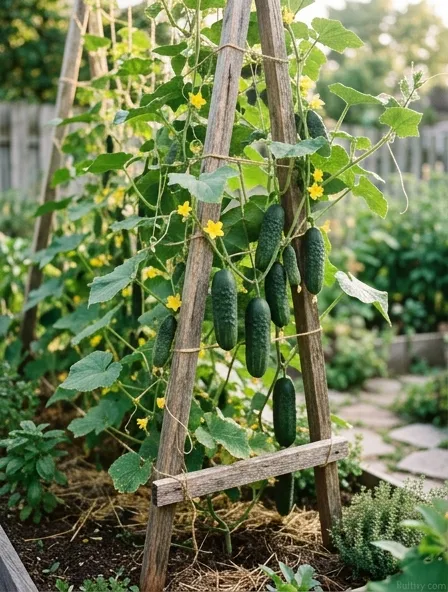
Bush cucumbers stay compact enough for large containers. Vining types need a trellis but reward you with higher yields and cleaner fruit. Both types want warm soil — at least 65°F — and 6 hours of sun. Plant too early in cool soil and the seeds may sit there and rot before they sprout.
In Zone 7, direct sow from late April through May. Seeds go 1 inch deep, 6 inches apart (thin to 12 inches for vining types). Water 1 to 1.5 inches per week and watch for powdery mildew on the leaves — it shows up as white, dusty patches starting midsummer. Good air circulation helps. Harvest at 6–8 inches for slicers, 3–4 inches for picklers. Container minimum: 5 gallons for bush types.
8. Snap Peas — Score: 14/20
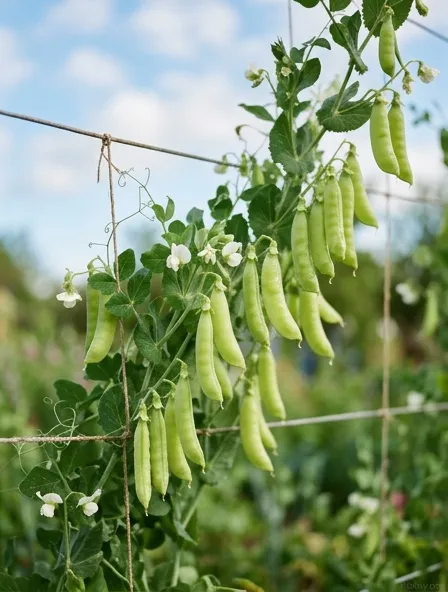
Snap peas are the opposite of tomatoes in almost every way. They love cold weather, they’re done before summer starts, and they need almost no babysitting. In Zone 7, direct sow from late February through March — they germinate in soil as cool as 40°F.
Plant 1 inch deep, 2 inches apart. Dwarf varieties stay under 2 feet and need no support. Taller varieties need a simple trellis or even a tomato cage. They need 6 hours of sun, 1 inch of water per week, and they’ll hand you crisp pods in 60–70 days. The catch: once temps consistently hit 80°F, production stops completely. In Zone 7, that usually means you’re done by early June. Think of peas as your garden’s opening act.
Container minimum: 8 inches deep. They’re shallow-rooted and surprisingly happy in pots.
9. Carrots — Score: 13/20
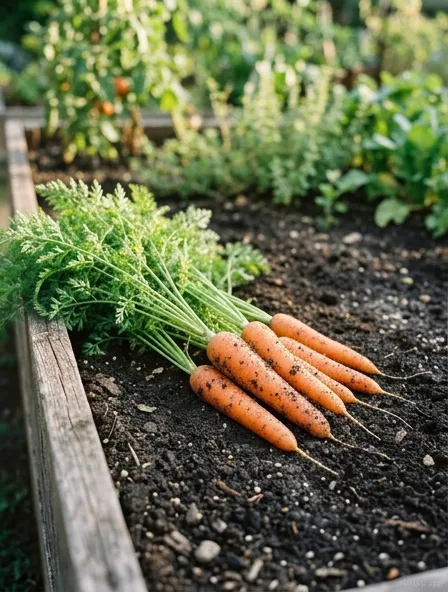
Carrots have one hard phase and one easy phase. The hard phase is germination: seeds are tiny, they need to stay consistently moist for 14–21 days, and if the soil crusts over, they won’t break through. The easy phase is everything after that — once carrot seedlings are established, you can practically ignore them.
Sow seeds ¼ inch deep in loose, rock-free soil. Raised beds work best because compacted ground produces forked, stunted roots. Thin to 2-inch spacing once tops are 2 inches tall. They need 6 hours of sun, 1 inch of water weekly, and 70–80 days to reach full size. In Zone 7, plant in March for spring harvest or August for fall harvest. Pro tip: lay a damp burlap cloth or thin board over newly sown rows — it traps moisture during germination. Remove it as soon as you see green.
Container minimum: 12 inches deep. Short varieties like Chantenay or Paris Market do better in pots than long Imperator types.
10. Potatoes — Score: 12/20

If you have a sprouting potato in your kitchen right now, you have a garden starter kit. Cut it into chunks with at least two eyes each, let the cuts dry for a day, and bury them 4 inches deep. In Zone 7, plant mid-March.
The essential technique is hilling: when stems are 6 inches tall, mound soil or straw around them leaving just the top few inches exposed. Repeat every 2–3 weeks. This gives tubers room to form and prevents green, toxic skin. Give them 6 hours of sun and 1–2 inches of water weekly. Stop watering when the plant tops die back, then wait two weeks before harvesting. Growing time: 90–120 days depending on variety.
Container minimum: 10-gallon grow bag. Grow bags actually make hilling easier — just roll down the sides at planting and roll them up as you add soil.
11. Herbs: Basil, Mint, Chives — Score: 12/20
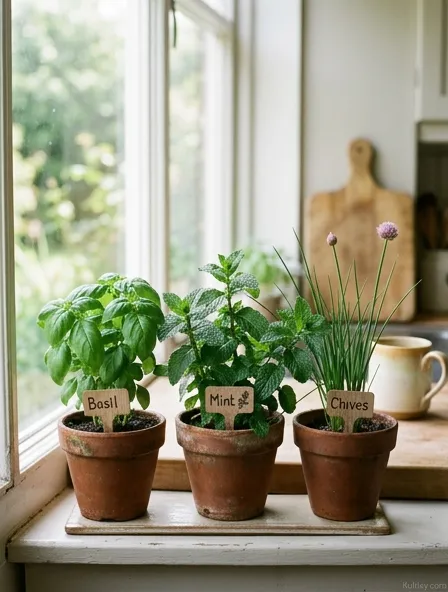
Basil wants warmth (soil above 60°F), 6 hours of sun, and frequent harvesting. Pinch off flower buds the moment they appear — once basil flowers, the leaves turn bitter. Water 1 inch per week but keep leaves dry to prevent fungal spots. Start harvesting when the plant has three sets of leaves, and always cut just above a leaf pair so the stem branches. Container minimum: 4 inches deep.
Mint is the vegetable garden’s roommate who doesn’t respect boundaries. It spreads by underground runners and will take over a raised bed in a single season. Always — always — grow mint in its own container. That said, it’s practically unkillable. It handles shade, drought, and poor soil. Harvest by cutting stems down to 1 inch above the soil line. Container minimum: 6 inches deep, but isolation is more important than size.
Chives are a perennial — plant them once and they come back every year in Zone 7. They handle partial shade (4 hours of sun), drought, and neglect. Snip them with scissors 2 inches above the soil whenever you want them. The purple flowers are edible and attract pollinators. Container minimum: 6 inches deep. These are the “set it and forget it” herb.
Level 3 — Worth It Once You Have One Season Behind You
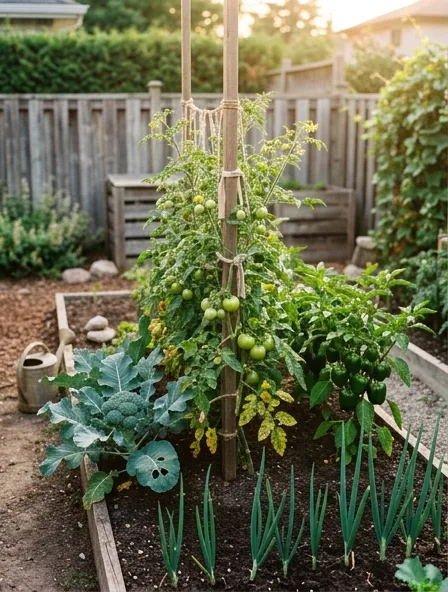
12. Full-Size Tomatoes — Score: 10/20

Full-size tomatoes are listed separately from cherry tomatoes for a reason. They can be one of the most rewarding crops in a beginner garden, but they are also much less forgiving in the first year.
They need 8 hours of unobstructed sun. They need 2 inches of water per week, delivered on a schedule so consistent you could set a clock by it. Irregular watering causes blossom end rot (that ugly black patch on the bottom) and cracking. They need aggressive pruning — remove every sucker below the first fruit cluster. They need 6-foot stakes or heavy-duty cages, because an indeterminate tomato plant can grow 8 feet tall and a single loaded branch can snap under its own weight.
In Zone 7, start seeds indoors 6–8 weeks before last frost, or buy transplants and set them out after mid-April. Expect 75–90 days from transplant to first ripe fruit. Once you’ve got a feel for your garden’s sun, water, and soil rhythm, full-size tomatoes become absolutely worth the effort. Just don’t start with them.
13. Peppers — Score: 9/20
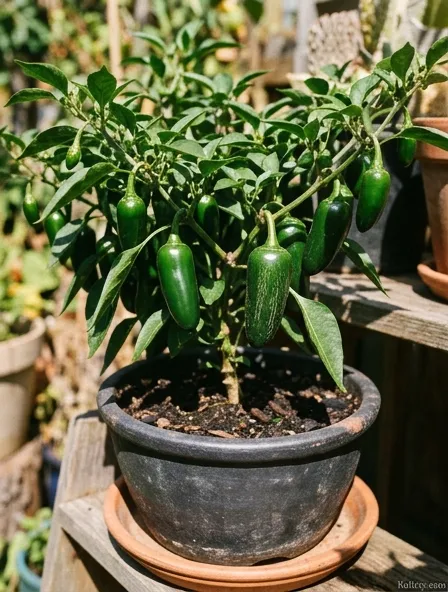
Peppers need the hottest spot in your entire garden — 8 hours of full, blazing sun — and they still grow slowly. From transplant to harvest takes 90–120 days, and anything below 55°F at night basically pauses their growth entirely.
In Zone 7, transplant outdoors in May once nights reliably stay above 55°F. Hot peppers (jalapeños, cayenne) are significantly easier than sweet bell peppers, which demand a long, uninterrupted warm season to fill out. Bell peppers planted too early can sit motionless for weeks in cool weather and produce very little. For most beginners, hot peppers are the easier first pepper crop.
Container minimum: 3 gallons. Use dark-colored pots — they absorb heat and keep roots warm, which peppers love.
14. Broccoli — Score: 8/20
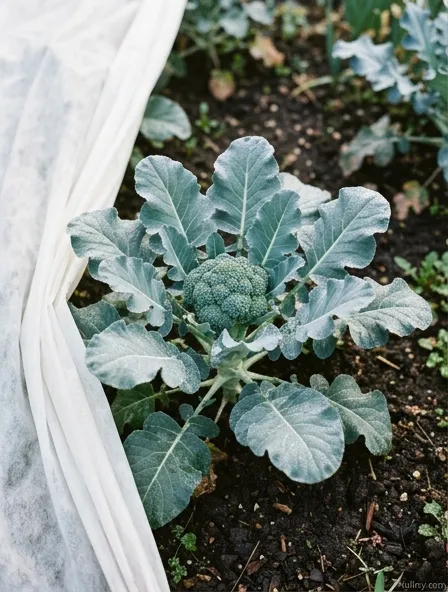
Broccoli is a cool-weather crop with an unforgivingly narrow planting window. In Zone 7, you need to start seeds indoors in February, transplant hardened-off seedlings outdoors in early April, and harvest before temps consistently exceed 75°F — usually by late May or early June. Miss that window and the plant bolts into a useless yellow flower cluster.
On top of the timing pressure, cabbage worms will find your broccoli. They are small, green, and invisible until half your leaves have holes. A lightweight row cover or insect netting, installed at transplant, is the only reliable prevention. Water 1–1.5 inches weekly. Harvest when the central head is tight and dark green, before any yellow flower buds open. Cut the stem at an angle and the plant may produce smaller side shoots for another few weeks.
Broccoli is very doable once you understand its rhythm. It’s just not a great first vegetable because the margin for error is so slim.
15. Onions — Score: 7/20
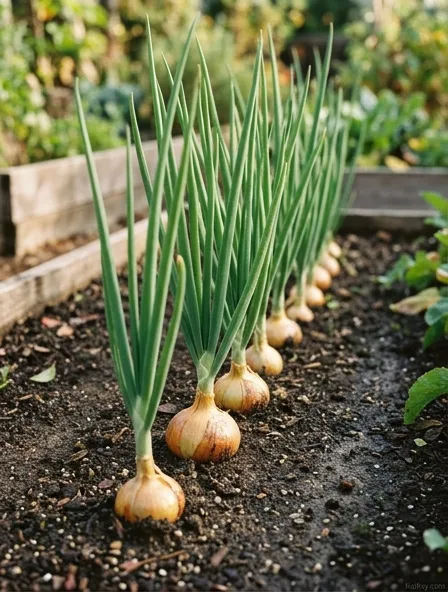
The trickiest thing about onions isn’t growing them — it’s choosing the right type. Onion varieties are categorized by day length: short-day (southern states), long-day (northern states), and intermediate-day (Zone 7 and the middle belt). Plant the wrong category and you’ll get scallions instead of bulbs. That single detail trips up more beginners than any pest or disease.
For the simplest approach, buy onion sets (small bulbs) instead of starting from seed. Push them into the soil 1 inch deep, 4 inches apart, in early spring. They need 6 hours of sun, 1 inch of water weekly, and 90–120 days. Stop watering when the green tops start falling over naturally — that’s the plant telling you bulbs are done. Cure them in a warm, dry spot for two weeks before storing.
Once you understand the day-length system, onions become routine. But that learning curve makes them a better second-year project.
5 Vegetables I’d Skip in Your First Year

These aren’t bad vegetables. They’re just bad first vegetables.
Cauliflower is broccoli’s more temperamental sibling — same narrow planting window, same pest problems, plus it needs blanching (wrapping leaves over the head to keep it white) and panics if temperatures swing more than 10°F in a day. Celery demands 120+ days of consistently moist soil and partial shade, which is a nearly impossible ask for a beginner’s garden. Corn needs to be planted in blocks of at least 4×4 for wind pollination, which means you need a minimum of 16 plants just to get ears — that’s a lot of space for your first season. Watermelon sprawls 6–10 feet in every direction and takes 80–100 days of hot weather, making it impractical for small spaces and shorter seasons. Artichokes are perennials that may not produce edible buds until their second year, and they’re only reliably hardy in Zones 7–11.
Park all five of these on your “year two or three” list. You’ll enjoy them more when you have the experience to support them.
Your First-Year Planting Plan: Just Pick 3 to 5
One of the biggest beginner mistakes is planting too many varieties at once. You end up with fifteen different watering schedules, ten different pest situations, and no mental energy left by June. Pick three to five vegetables from this list and learn them well. Here are three ready-made combos based on your setup:
The Balcony Container Combo: lettuce + radishes + cherry tomatoes + basil. Everything fits in standard pots, nothing needs more than a small cage or stake, and you’ll harvest something within three weeks of planting.
The Small Yard Raised Bed Combo: zucchini + green beans + Swiss chard + carrots. Four crops that occupy a single 4×8 raised bed comfortably, produce from spring through fall, and teach you about direct sowing, thinning, and succession planting.
The Fastest Results Combo: radishes + lettuce + green beans. Every single one is harvestable within 60 days. This is the combo for anyone whose motivation depends on seeing results quickly — and honestly, that’s most of us in our first year.

Here’s a quick Zone 7 monthly timeline so you know when to get each one in the ground. If you garden in a colder, hotter, coastal, or high-desert climate, shift these windows around your local last frost, first frost, and summer heat pattern.
| Month | What to Plant | Notes |
|---|---|---|
| February | Snap peas (direct sow), Broccoli (start indoors) | Soil temp 40°F+ for peas |
| March | Lettuce, radishes, carrots, Swiss chard, potatoes, onion sets | Main cool-season window opens |
| April | Green beans (mid-month), cherry tomatoes & full-size tomatoes (transplant after last frost ~Apr 15) | Soil temp 60°F+ for beans and tomatoes |
| May | Zucchini, cucumbers, peppers (transplant), basil | All warm-season crops go in once nights stay above 55°F |
| June–August | Succession sow beans every 2–3 weeks; second zucchini planting in July | Keep harvesting spring crops |
| September | Lettuce, radishes, carrots, snap peas (fall round) | Fall cool-season window opens |
| October–November | Harvest fall crops; plant garlic for next year | Swiss chard may keep producing until hard frost |
Print that, screenshot it, tape it to your fridge. A planting calendar removes the guesswork that overwhelms most first-year gardeners. You don’t need to memorize anything — just check the month, grab the seeds, and follow the data in the comparison chart above.
Your first garden doesn’t need to be perfect. It needs to survive long enough to make you want a second one. Start with the vegetables that want to grow, and you’ll be the neighbor handing out zucchini by August.
Frequently Asked Questions
What is the single easiest vegetable to grow for a complete beginner?
Lettuce and salad greens are the easiest vegetables for a complete beginner. They grow in as little as 21 days from seed, tolerate partial shade with just 4 hours of direct sunlight, and can be harvested repeatedly from the same plant using the cut-and-come-again method. They also grow well in containers as shallow as 6 inches deep, making them ideal for apartment balconies.
Can I grow vegetables in containers on a small apartment balcony?
Yes. Lettuce, radishes, green beans, cherry tomatoes, herbs, and even potatoes grow successfully in containers on a balcony. Lettuce and radishes need pots only 6 inches deep. Cherry tomatoes and zucchini perform best in 5-gallon or larger containers. The key requirements are at least 4–6 hours of direct sunlight and consistent watering, since containers dry out faster than in-ground beds.
How many hours of sunlight do most beginner vegetables need?
Most beginner-friendly vegetables need 6 hours of direct sunlight per day. Lettuce, Swiss chard, and chives can manage with as little as 4 hours. Tomatoes and peppers are the most sun-hungry, requiring 6–8 hours of unobstructed direct light for good fruit production. If your space gets less than 6 hours, focus on leafy greens and herbs first.
What vegetables can I plant together in the same raised bed?
Good companions for a beginner raised bed include lettuce with carrots and radishes (they mature at different rates and share space efficiently), green beans near zucchini or Swiss chard (beans add nitrogen that benefits neighboring plants), and basil planted alongside tomatoes (basil may help repel certain pests). Avoid planting onions next to beans, as they can inhibit each other’s growth.
When should I start planting vegetables in Zone 7?
In Zone 7, cool-season crops like lettuce, radishes, snap peas, carrots, and Swiss chard often go in from late February through March, while warm-season crops like tomatoes, peppers, zucchini, cucumbers, and basil should wait until after the last frost and soil temperatures reach about 60°F. Outside Zone 7, use your local frost dates and seed packet guidance instead of copying the calendar exactly.
How often should I water my vegetable garden as a beginner?
Most beginner vegetables need about 1 inch of water per week, delivered in one or two deep soakings rather than light daily sprinkles. Tomatoes and potatoes need 1.5–2 inches per week. Check soil moisture by sticking your finger 1 inch into the soil — if it feels dry at that depth, it is time to water. Container gardens dry out faster and may need watering every 1–2 days in summer heat.